Britta Teckentrup The Memory Tree Guide
Our mission is to improve the design process for architects and engineers. By improving the comfort of work, using a fast and intuitive interaction with the software.
GET NOW
Our mission is to improve the design process for architects and engineers. By improving the comfort of work, using a fast and intuitive interaction with the software.
GET NOW
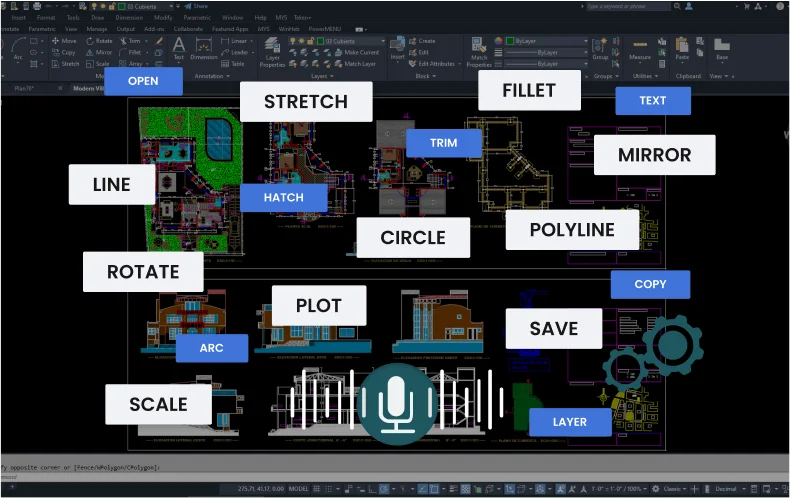
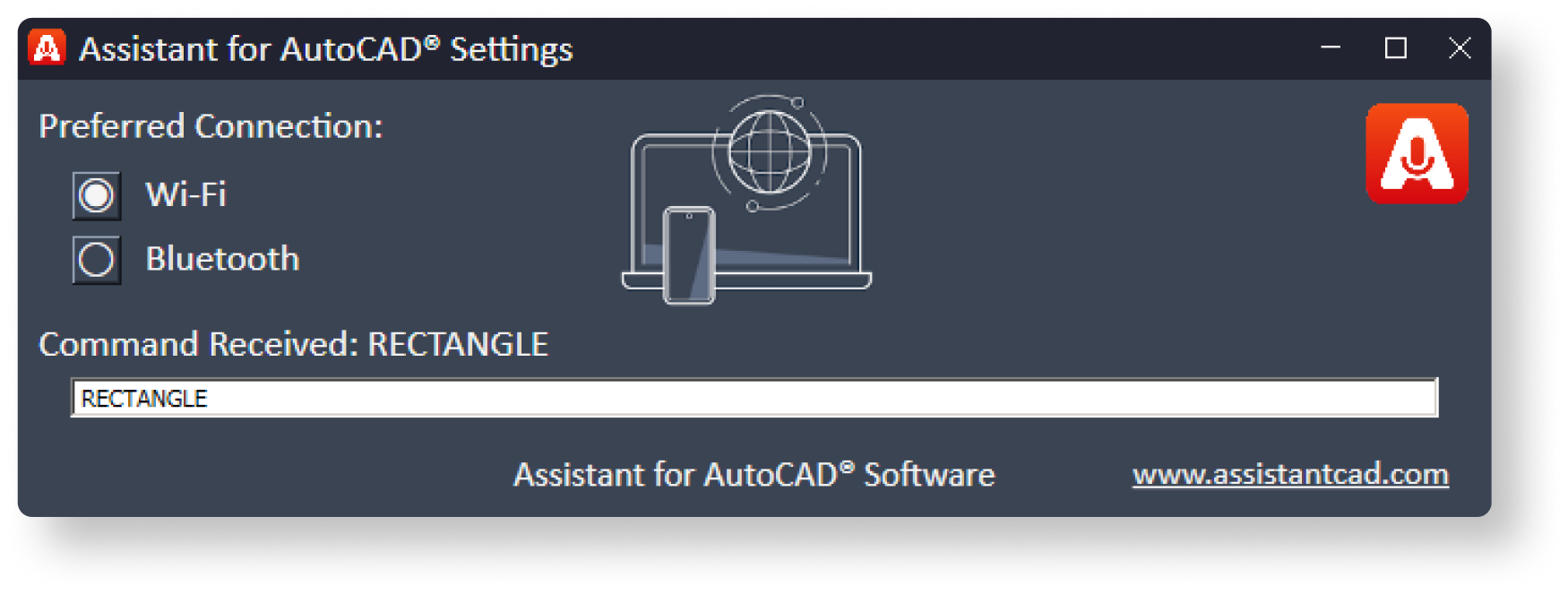
a mobile application that can execute the user's voice commands in AutoCAD




Works via Wi-Fi

runs in the background

Works via Bluetooth

Supports operation
via a headset (audio)

 500+
500+
Basic commands
that are used most often.
 120+
120+
Express
tool commands.
 100+
100+
Commands
for 3d modeling.
 800+
800+
Rarely used
AutoCAD commands


The first tool to manually improve the commands, for this he needs to record the command in his voice.
In this way, the engine will know and take into account the individual peculiarities of the pronunciation of the given command.
1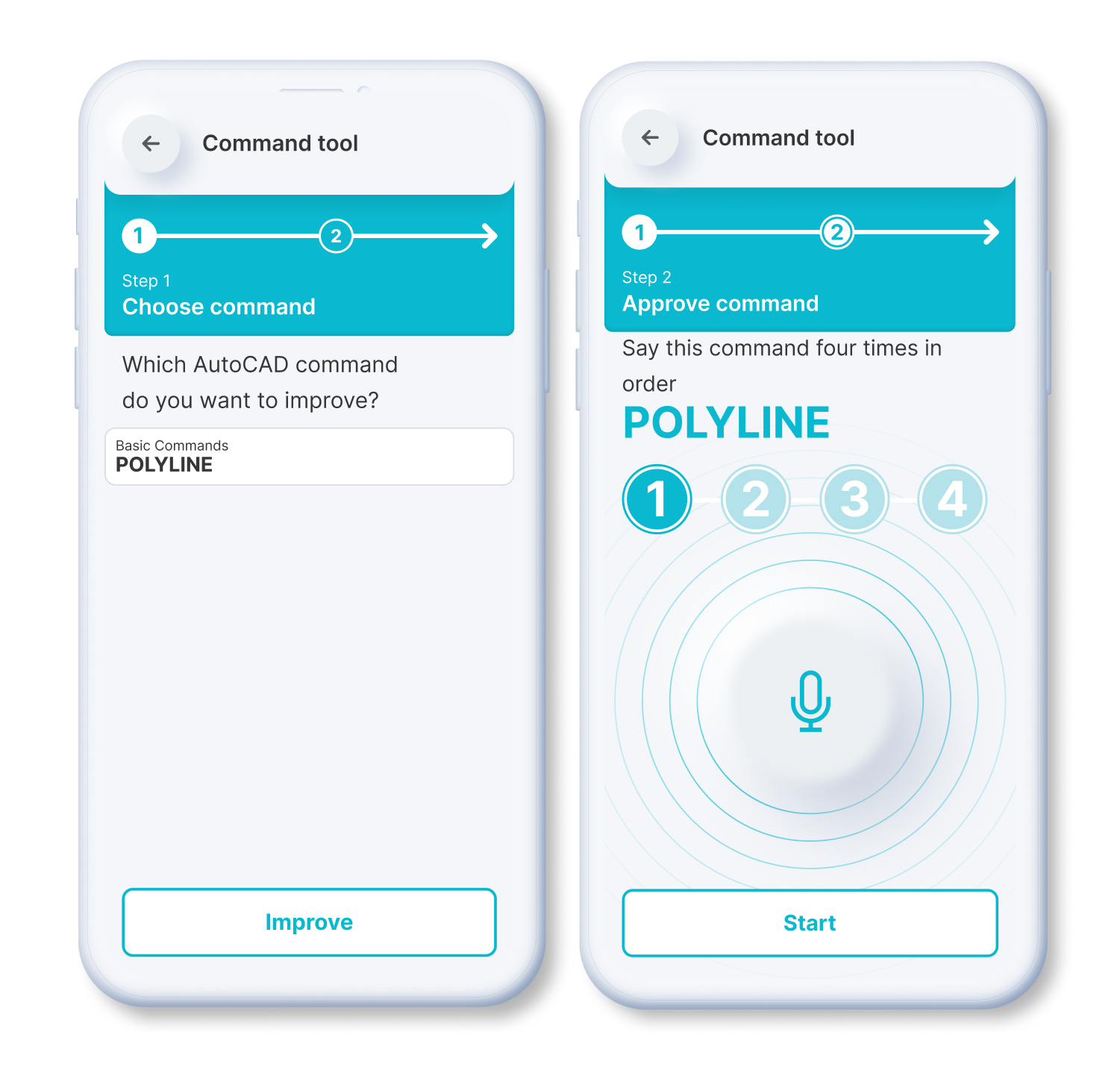
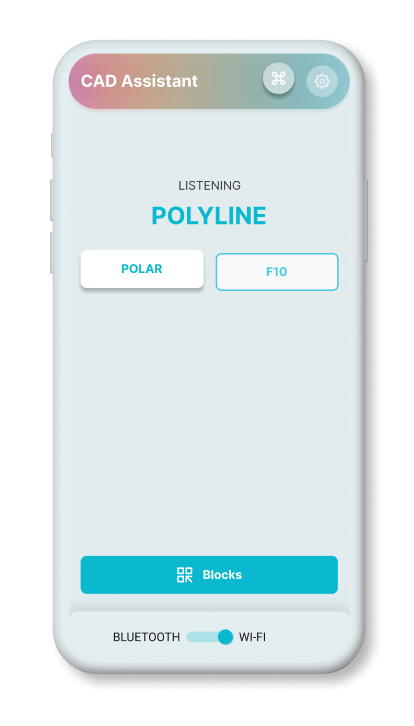
If the recognition engine algorithm is not confident in determining the correct command, it will offer to choose from the appropriate options.
The application then saves the user's choice, and will take that result into account at a later time. In this way, the engine is fine-tuned to the individual peculiarities of pronunciation.
2 1290+
1290+
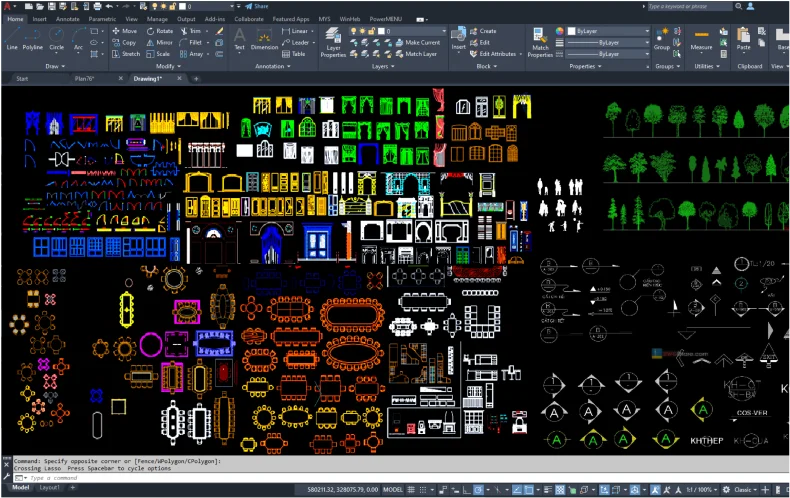
Static Blocks
 210+
210+
Dynamic Blocks
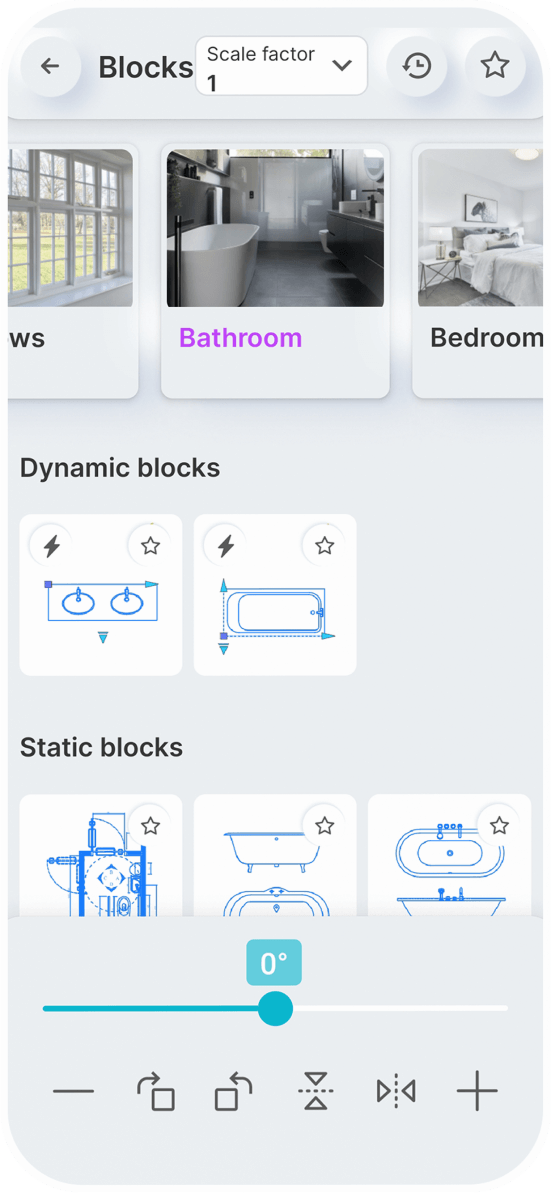
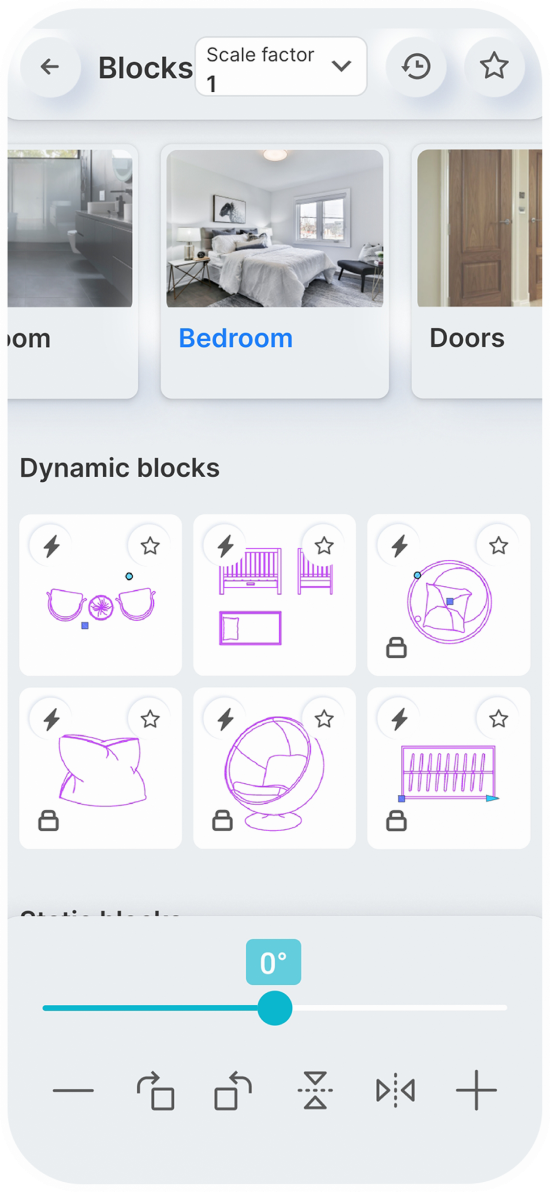
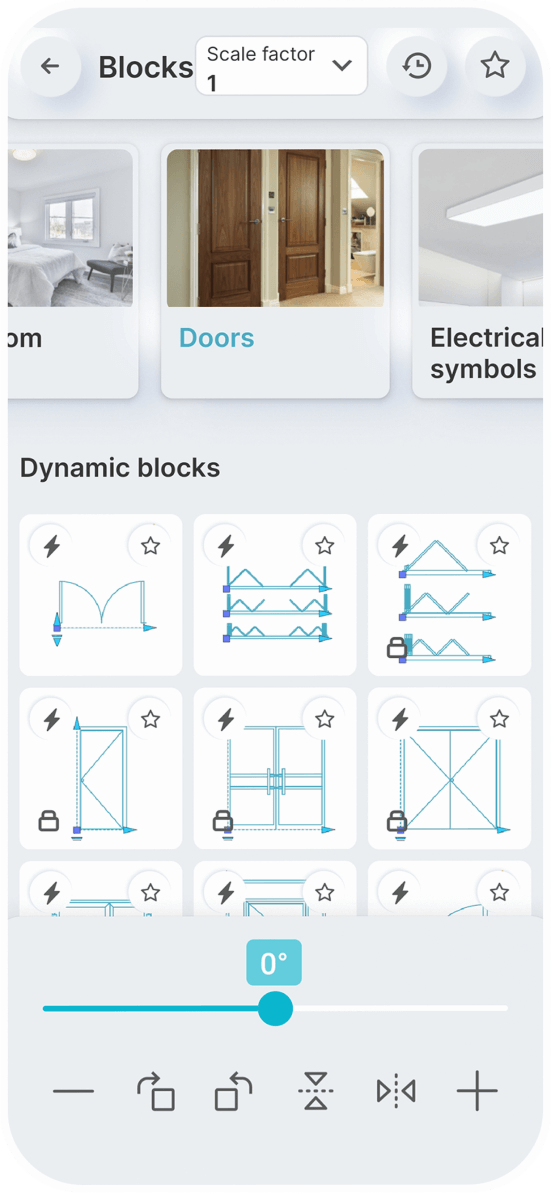
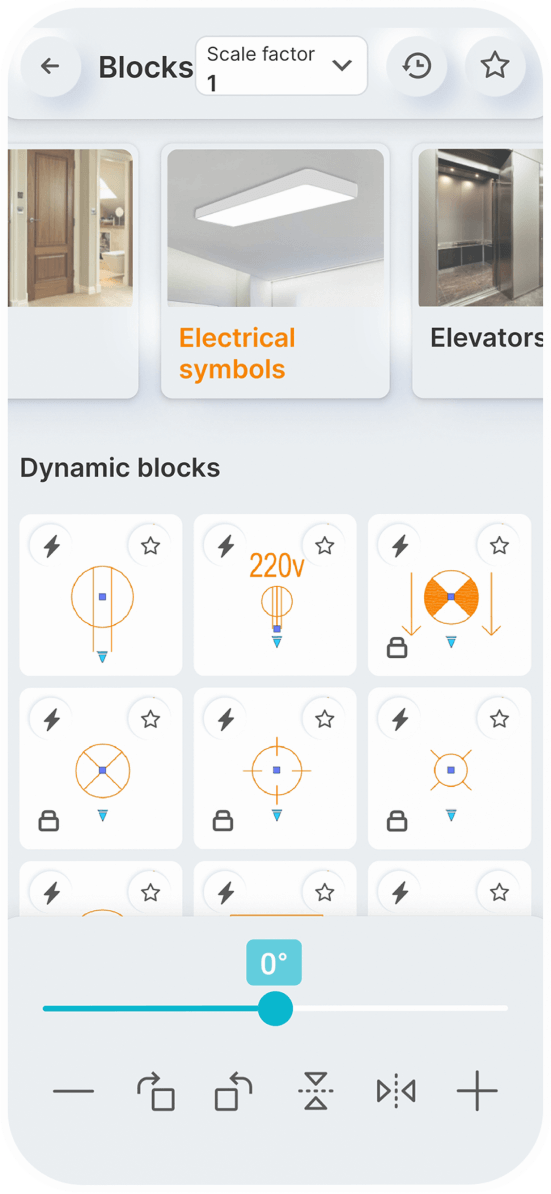
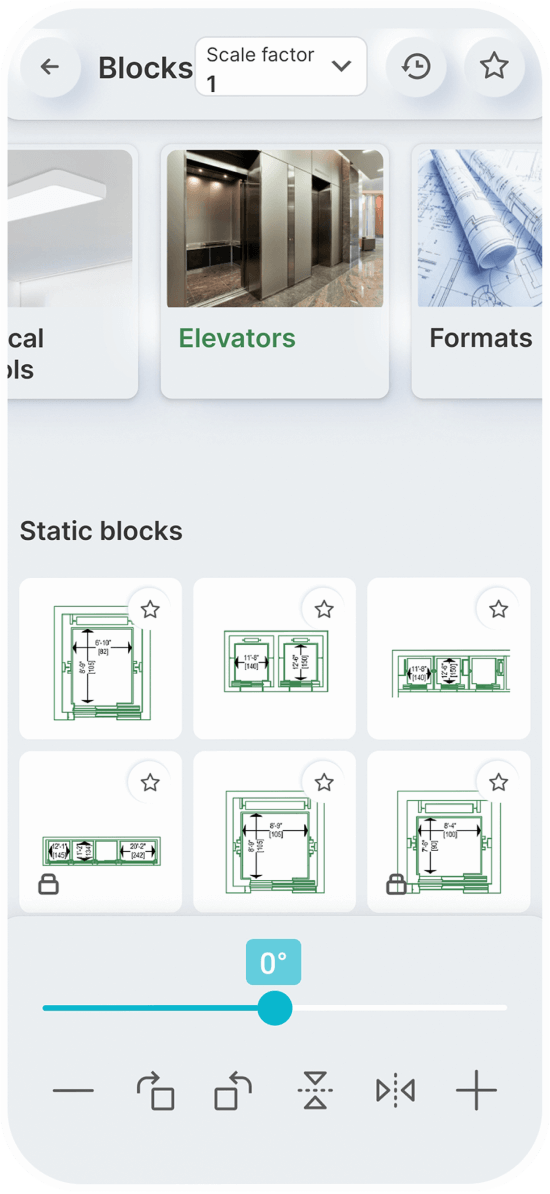
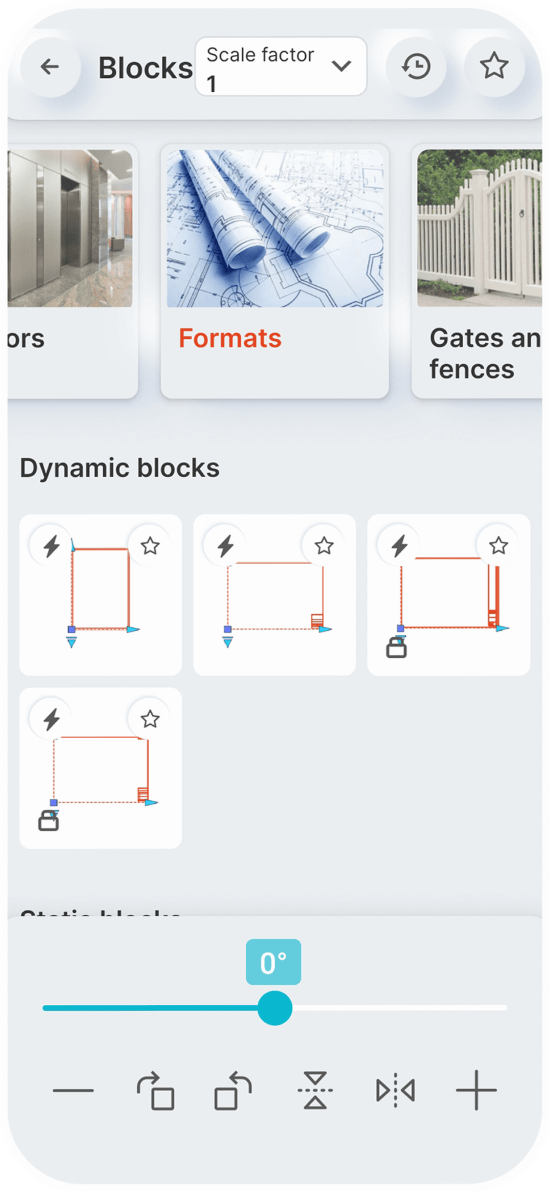
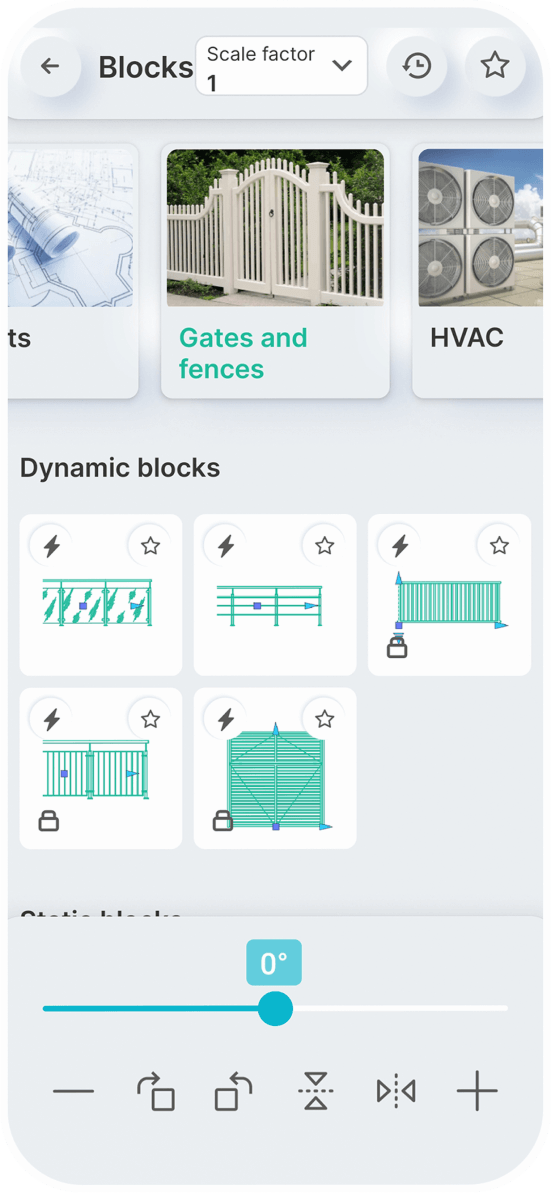
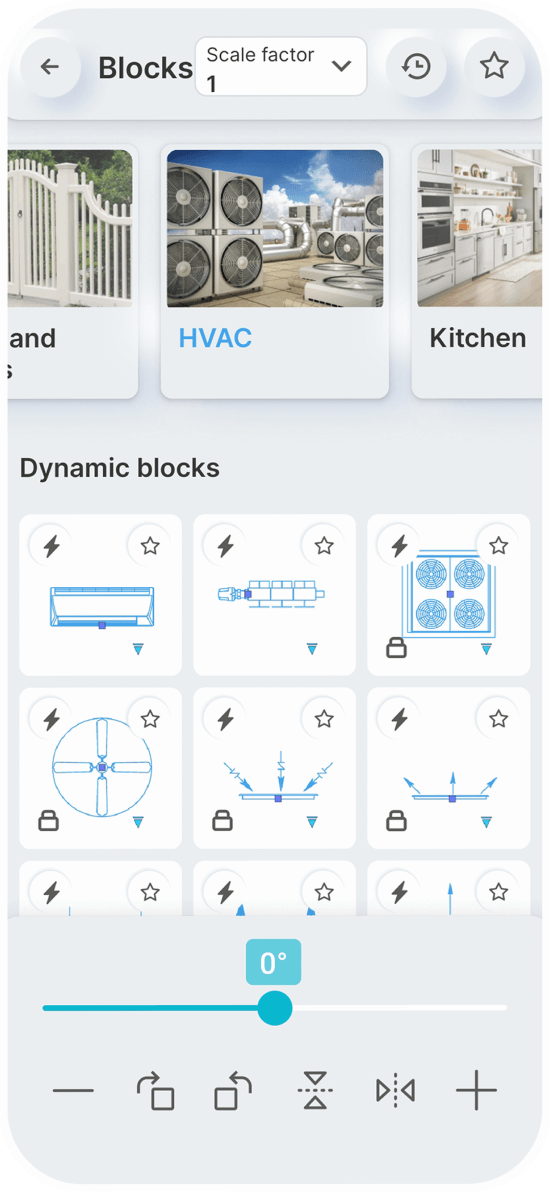
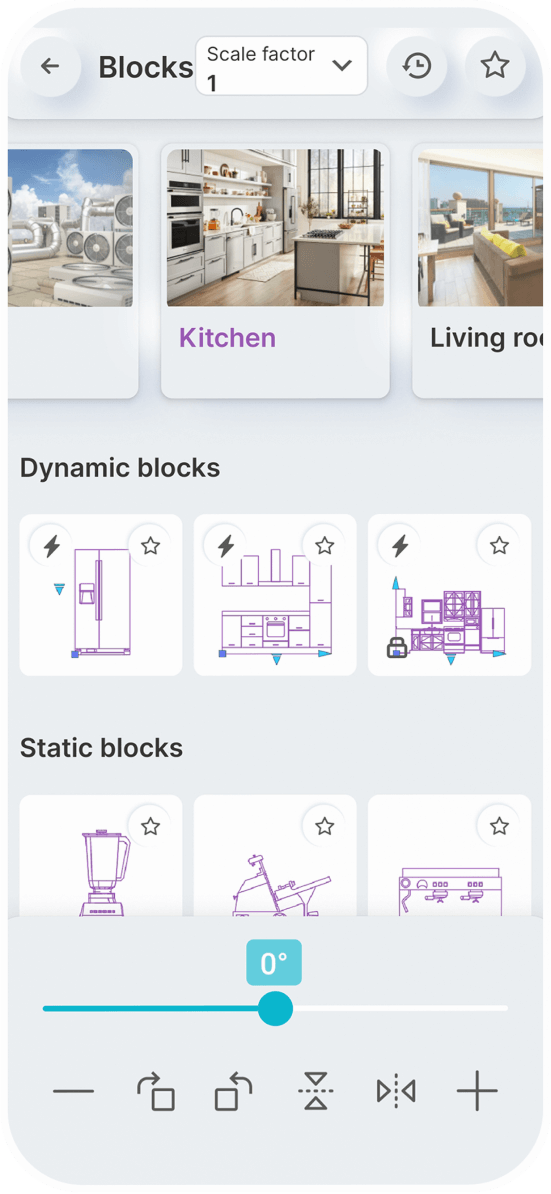
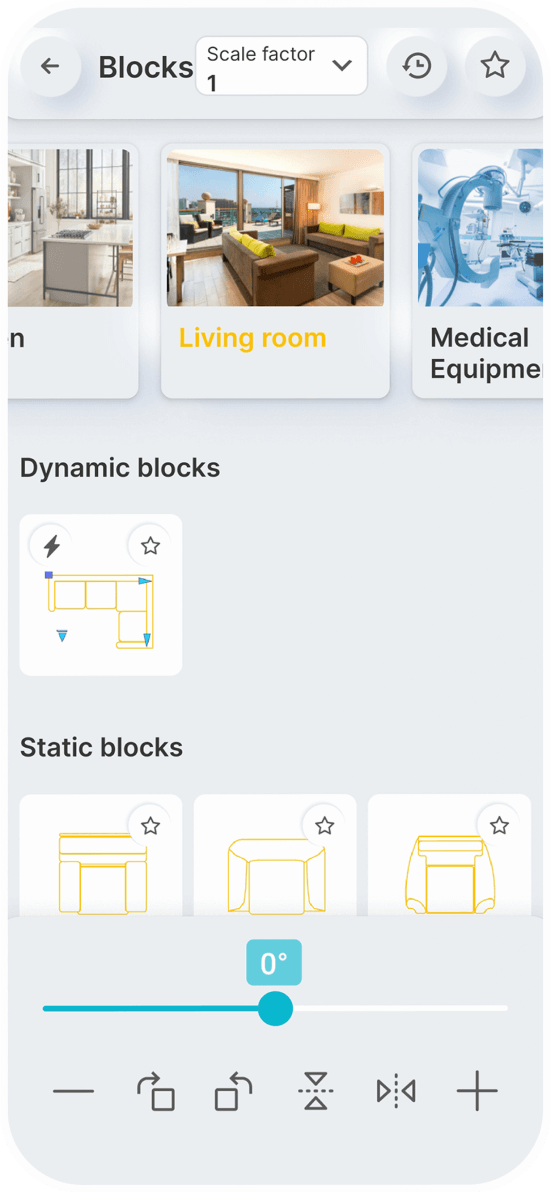

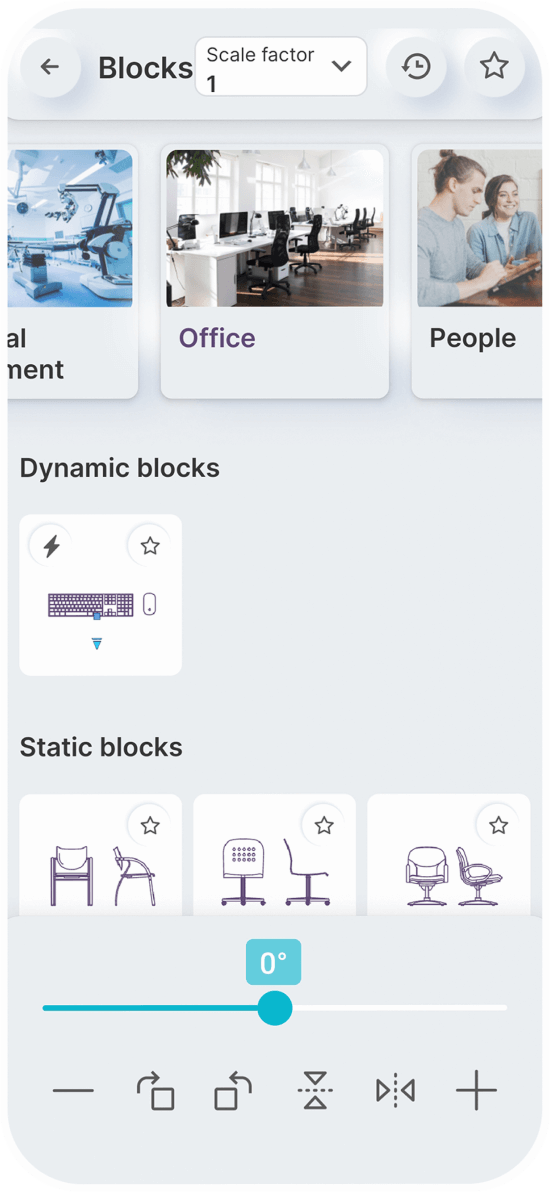
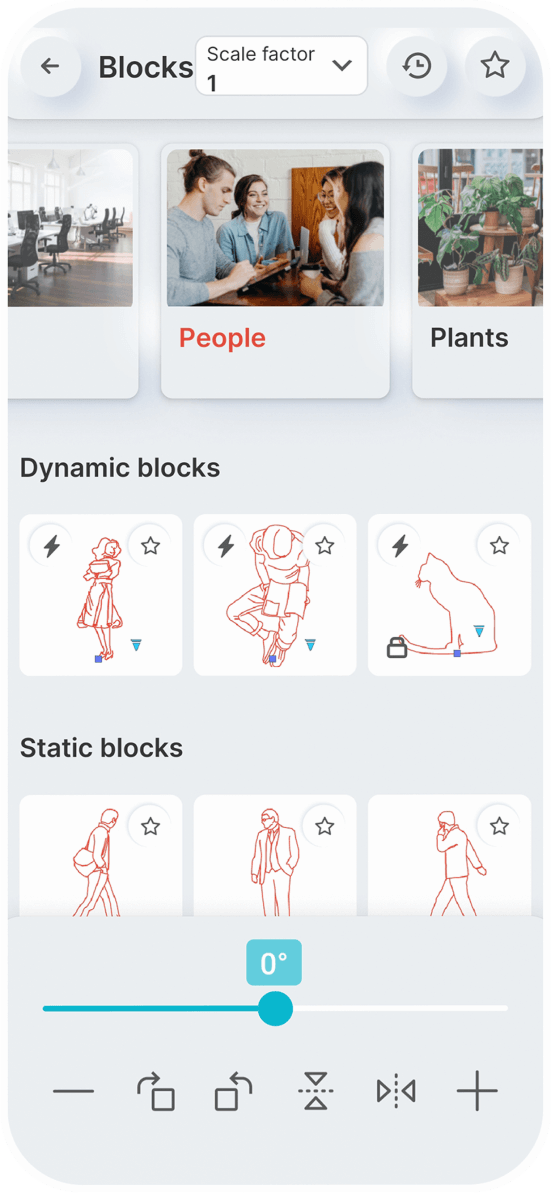
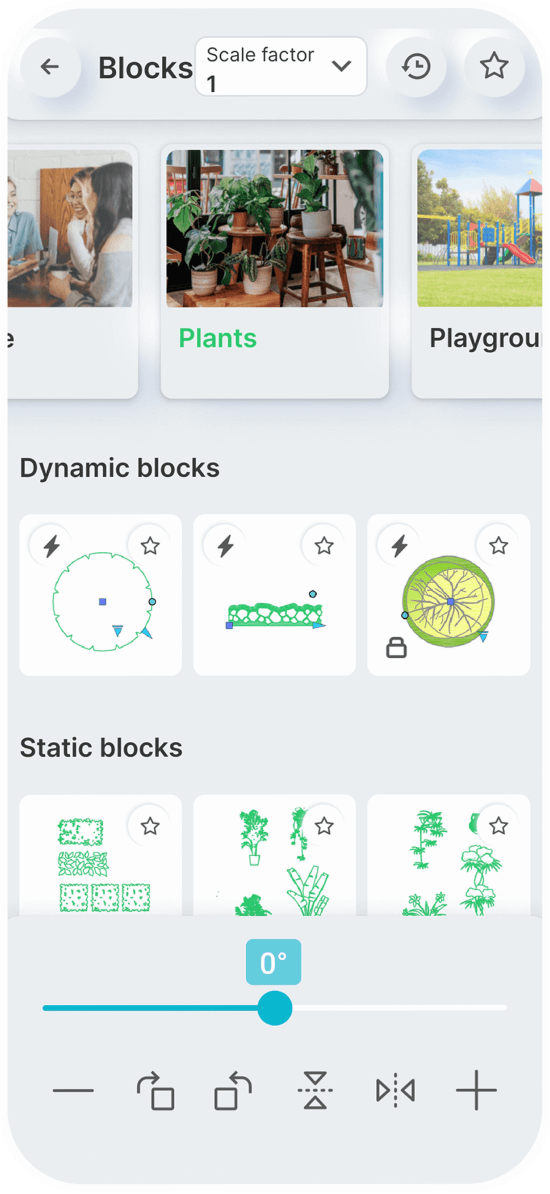
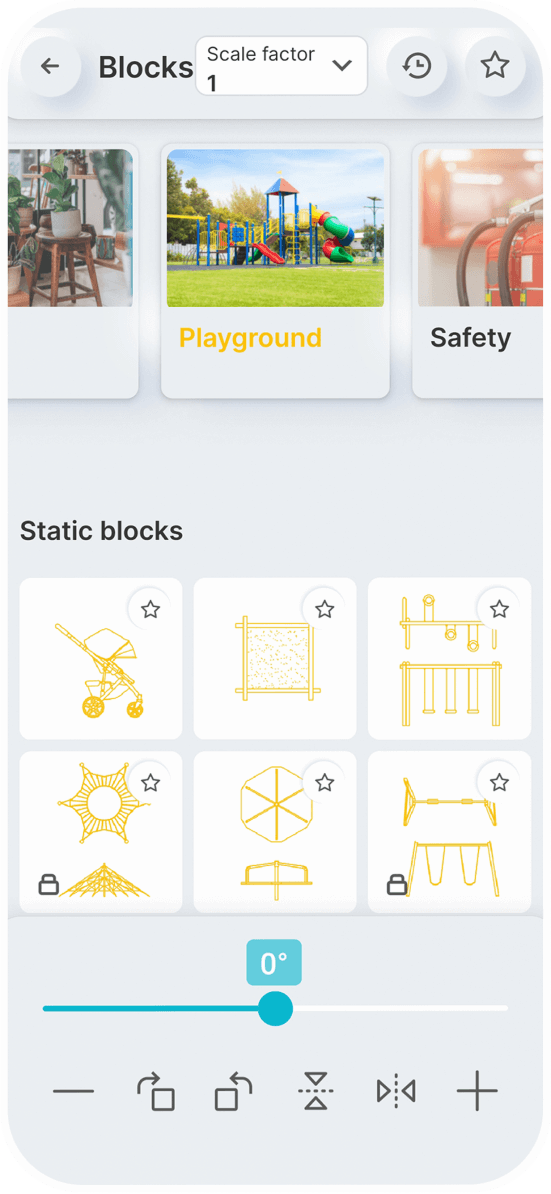
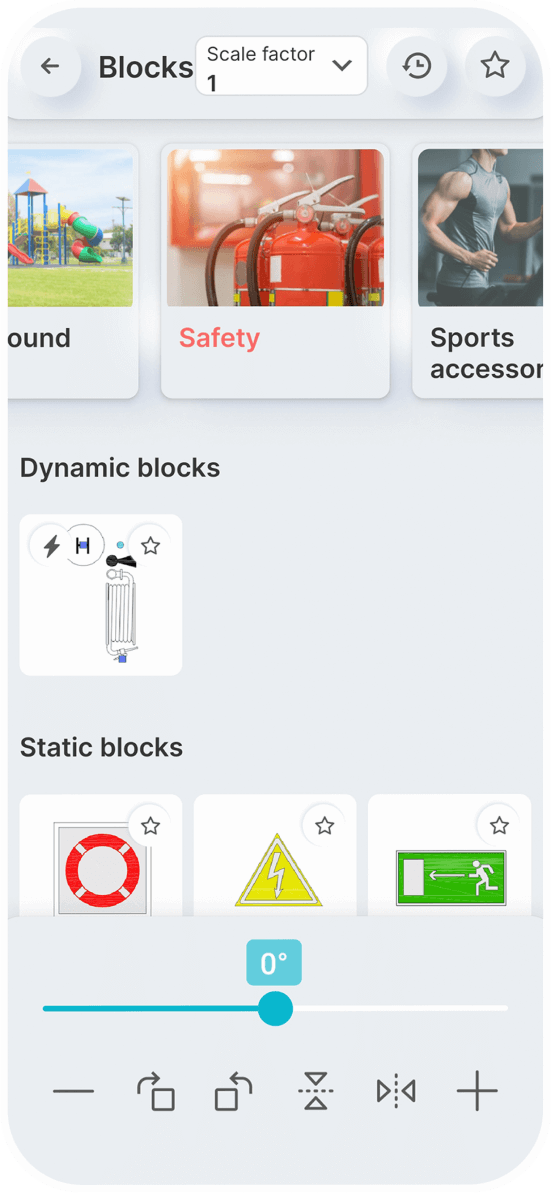
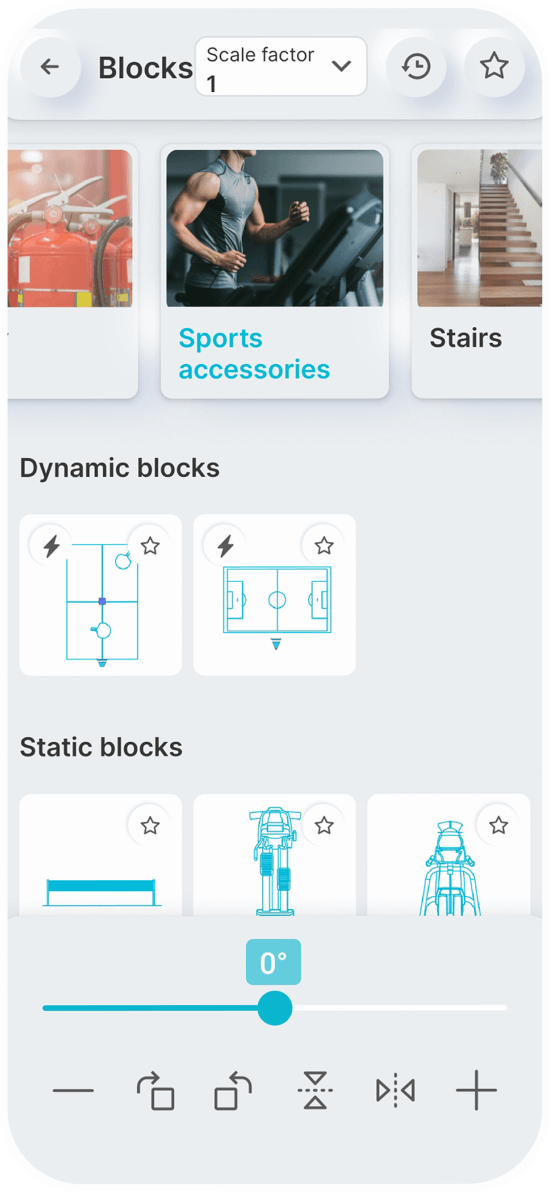
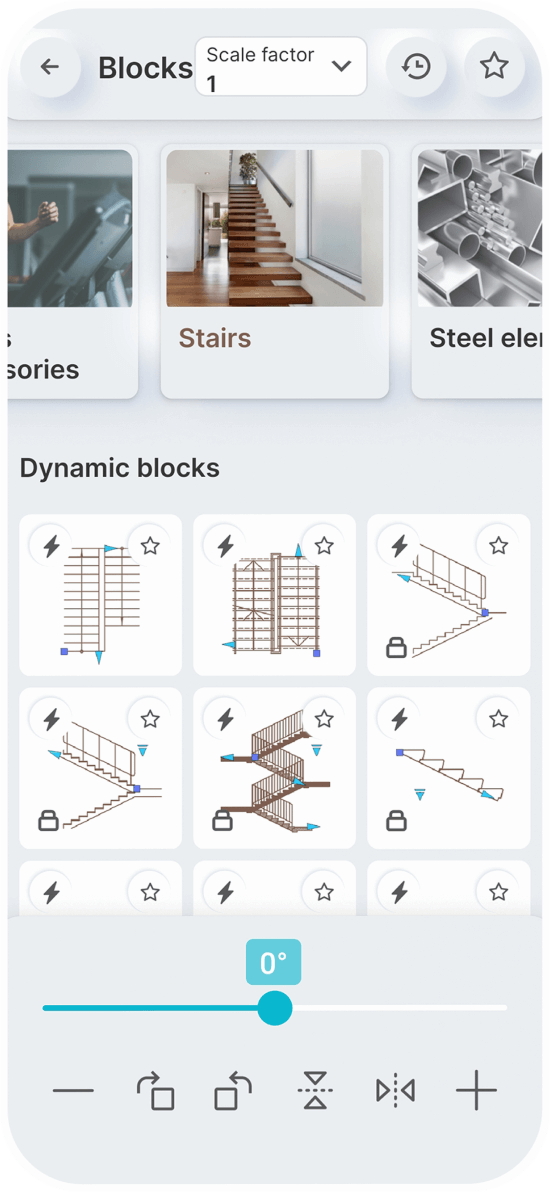
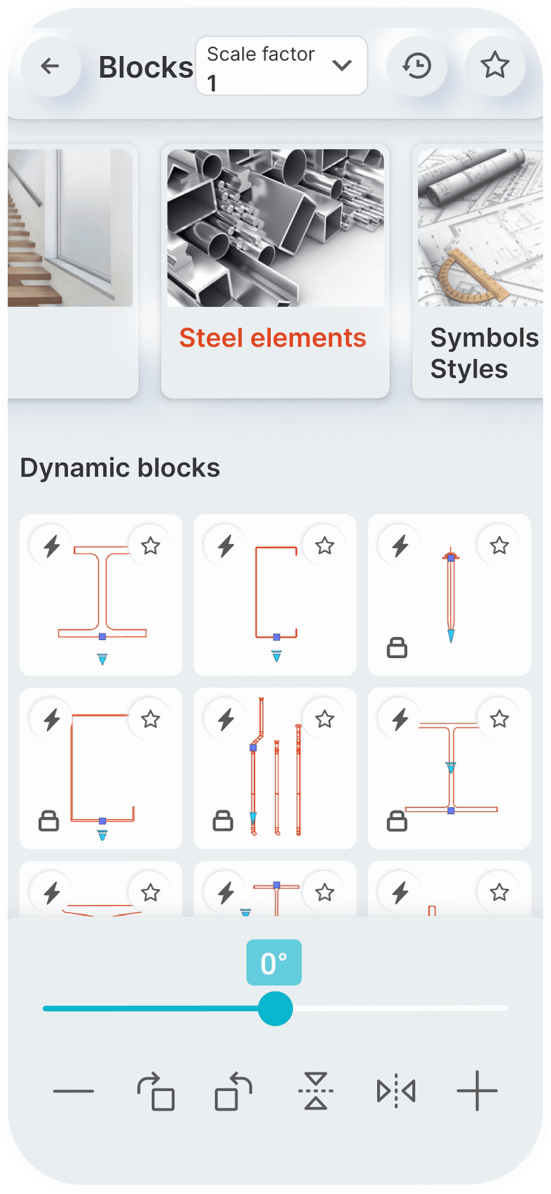
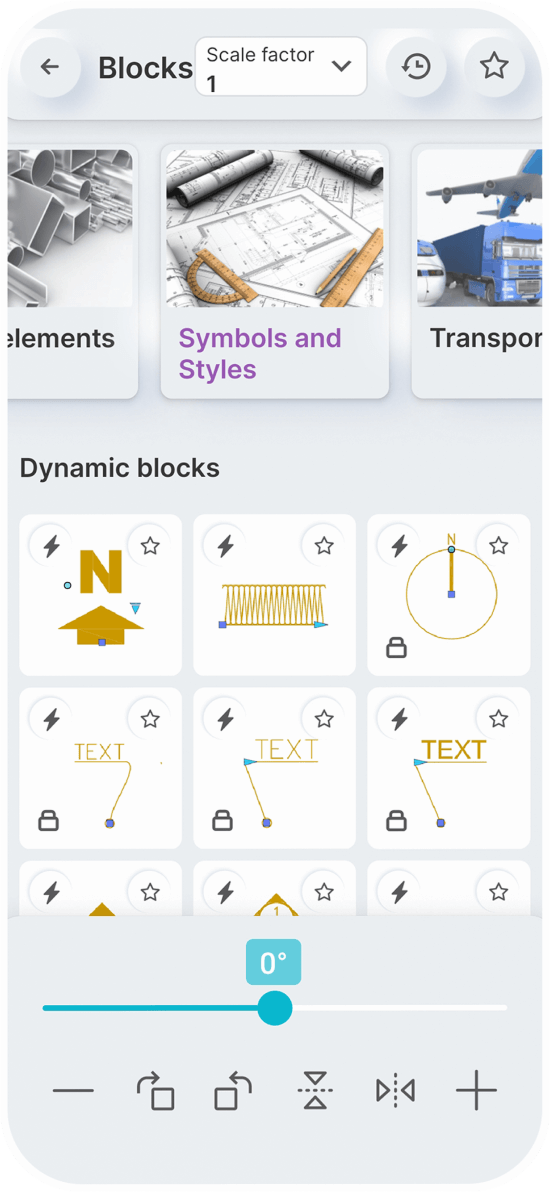
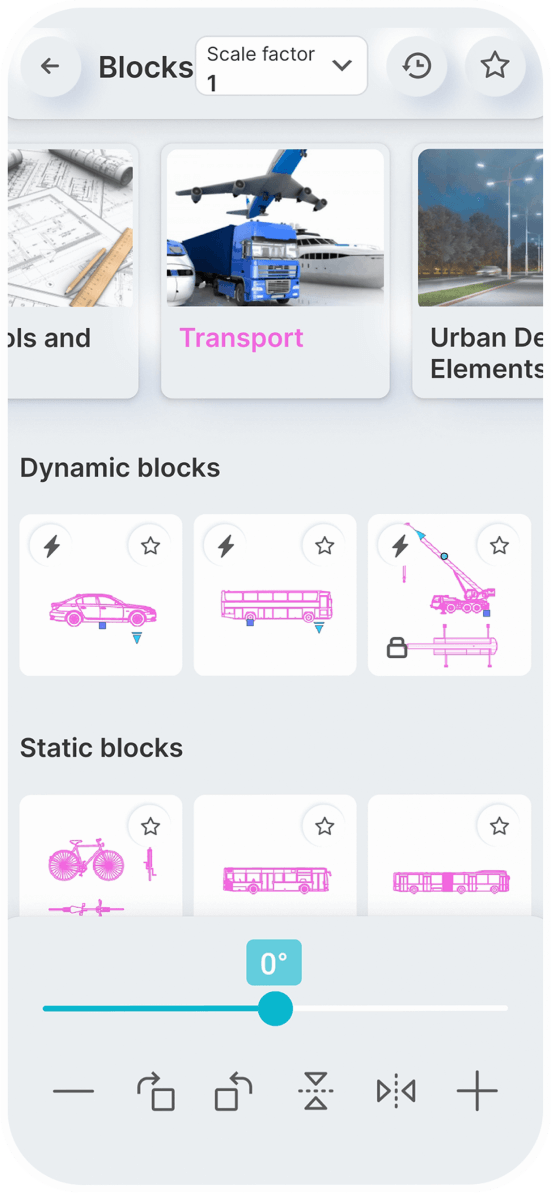
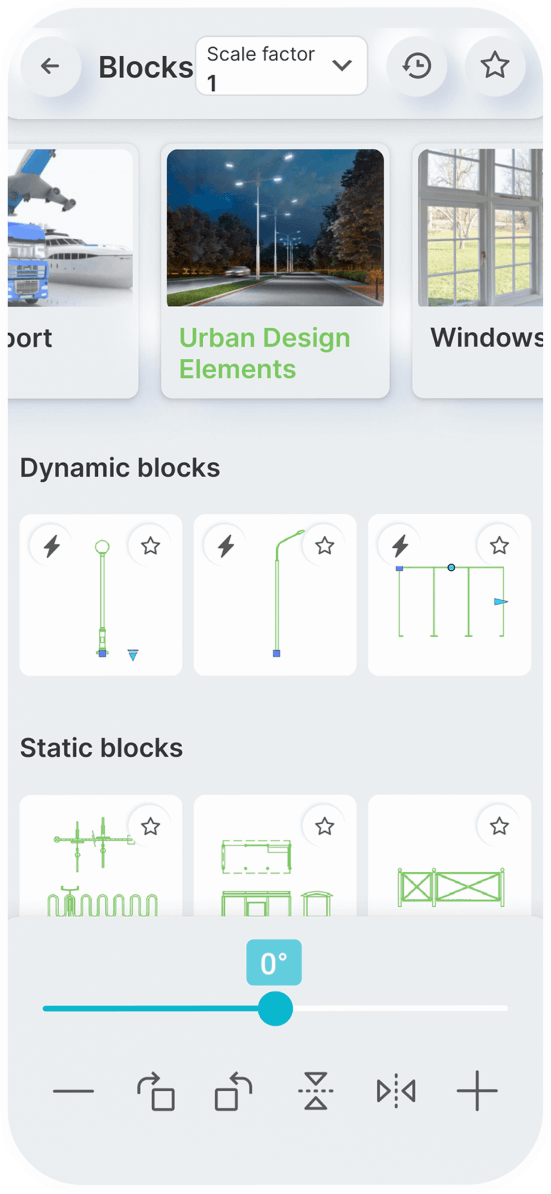
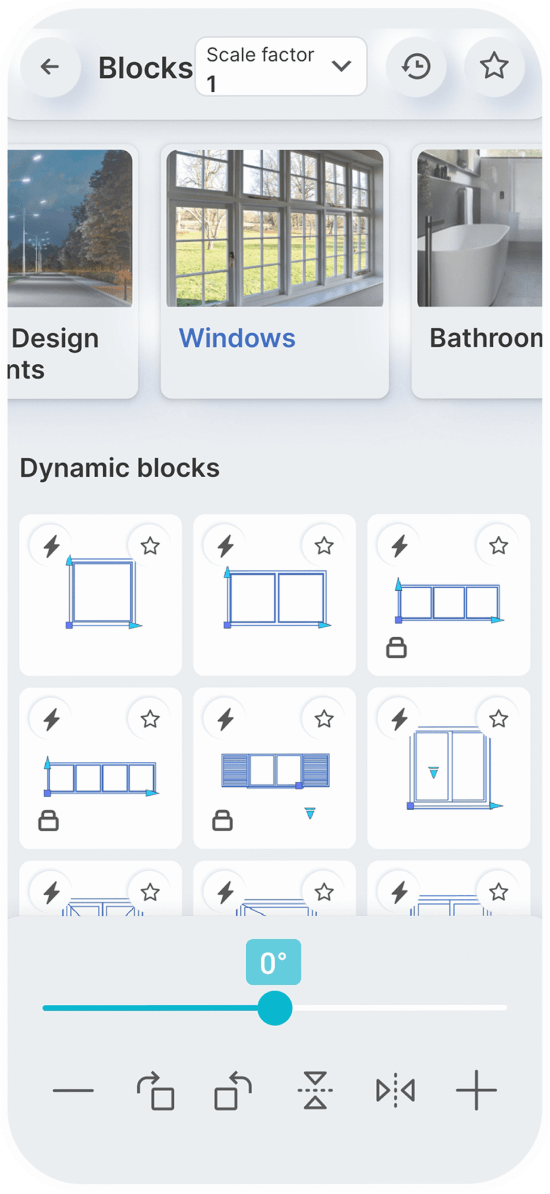
Simply speak a command to
resize or scale items.
Rapidly rotate objects or elements within the application by precisely 90 degrees.
By issuing a voice command, you can activate the mirroring effect.
You can effortlessly rotate blocks or objects within the application.

You can set a constant scale factor for your drawings to enter blocks.
Save the blocks you want most in your favorites.
Use the history page to quickly insert the last used blocks.
Standardized American
paper sizes A, B, C, D, E
Two special vertical
formats for A3 and A4
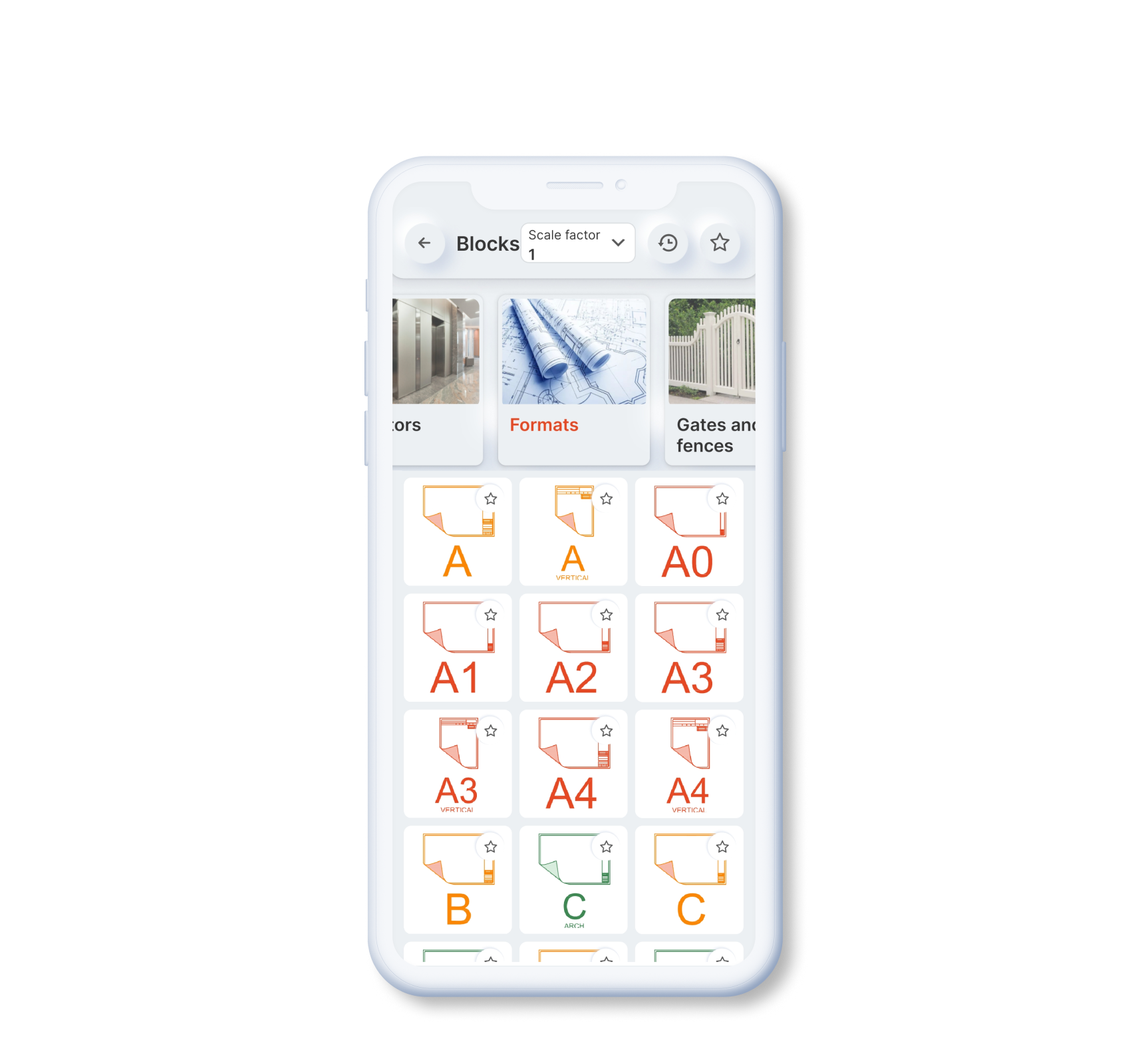
The international paper size standard is ISO 216 A4, A3, A2, A1, A0
Architectural sizes C, D, E
It is one of the few picture books that explicitly links the act of speaking to physical, visible growth. It externalizes internal healing in a way a child can literally see on the page. 8. Final Critical Reflection & Takeaway The Memory Tree succeeds because it does not promise that grief disappears. The snow does not melt; the cold does not vanish. Instead, the story shows that the landscape of loss can coexist with the architecture of love . The tree is not a replacement for Fox – it is a transformation of him.
Teckentrup offers children (and adults) a gentle, profound truth: Final line resonance: “And whenever the animals of the forest felt sad or lonely, they would go to the memory tree… and they would never feel quite so alone.” Not “not sad.” Not “happy.” But “not quite so alone.” That is the honest, beautiful, achievable promise of this book. Suggested Use: This content can be adapted into a blog post, a grief counseling resource, a homeschool lesson plan, or a library storytime guide. britta teckentrup the memory tree