Free Amsterdam Maps & Apps

maps & guides for free download and print

Different Types Of Seasons In India -

No feature on Indian seasons is complete without the —the country’s real financial year. After the scorch of Grishma, the first rain on parched earth creates a distinct smell: petrichor . In Sanskrit, this is ghrane-ambhasya , literally "the scent of the rains."

As the monsoon retreats, Sharad arrives like a sigh of relief. The sky becomes a clear, impossibly blue canvas. The humidity drops, and the air feels crisp. This is the season of harvest festivals, the most famous being and Durga Puja , culminating in Dussehra . different types of seasons in india

Often overlooked, Hemant is the "cool down" season. It is not yet winter, but summer is a forgotten memory. In North India, mornings are wrapped in a soft, milky fog. The sun feels warm on the skin, not hot. Farmers sow wheat, mustard, and peas. No feature on Indian seasons is complete without

Varsha is dramatic and unpredictable. Mumbai floods in hours, Kerala’s backwaters swell, and Meghalaya (the wettest place on Earth) receives over 450 inches of rain. Yet, it is also deeply romantic. Teej and Raksha Bandhan fall during this time. Children fly paper boats in puddles, and chai stalls serve pakoras (fritters) with ginger tea. The lush greenery that follows is India’s true emerald season. Mid-August to Mid-October The sky becomes a clear, impossibly blue canvas

It is the season of bonfires ( alavni ), warm makki ki roti (cornflatbread) and sarson ka saag (mustard greens). The and Lohri festivals fall in Shishir, where people dance around fires to ward off the cold. In the south, it is milder, but the Nilgiris record frost. Shishir teaches resilience—a quiet season where the land rests before the cycle begins again with Vasant. Why Six Seasons? For the modern Indian living in an air-conditioned apartment or a global traveler, the six-season system might seem archaic. But it is an intricate ecological knowledge system. It tells a farmer when to sow, a doctor when diseases peak (e.g., monsoon brings malaria), and a poet what metaphor to use.

Shishir is the coldest of the six seasons. In the northern plains, fog delays trains and flights. In the Himalayas, snow seals off villages. The sun is a pale disc, and the air bites. Yet, winter has its own stark beauty.

amsterdam maps & guides

Amsterdam city map

ov

Amsterdam's central district and surrounding, including cheap accommodation, concert venues and hot spots.

  different types of seasons in india  4,531 kB
curated restaurant recommendations

Unbookables

We seek, you dine

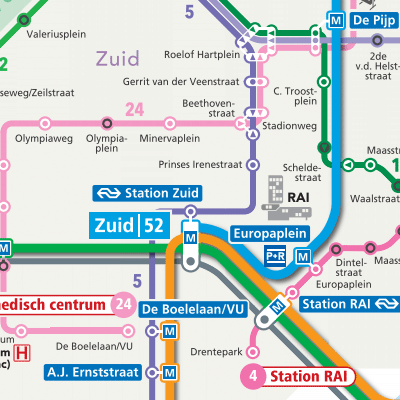
Rail map   tram / train / metro

ov
  different types of seasons in india  1,990 kB

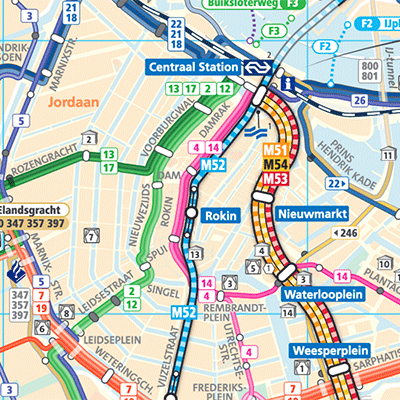
Public transport network map   all routes

ov

Large overview map with all metro, tram, bus, and ferry lines in Amsterdam

  different types of seasons in india  9.8 MB

The 9 Streets Shopping Guide

ov

Shopping guide to Amsterdam's most interesting shops in the Nine Streets and Jordaan area.

  different types of seasons in india  2.7 MB

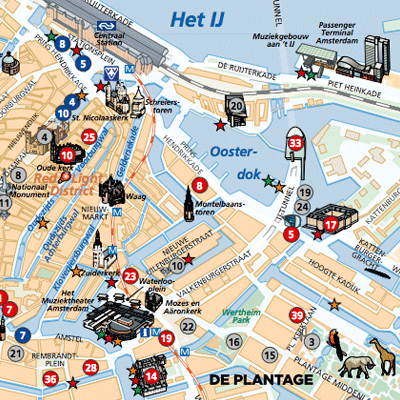
Amsterdam centre map

ov

Amsterdam's city centre with museums, places of interest & attractions and canal cruises & boat services featured on the map.

  different types of seasons in india  2,800 kB

Store Your Luggage Safely in Central Amsterdam

Go and enjoy Amsterdam to the fullest while your belongings are safely stored at Luggage Depot.

Parking Zones and Fees

ov

Detailed map issued by the City of Amsterdam

  different types of seasons in india  27.1 MB

P+R = Park and Ride Locations

ov

Parking in Amsterdam for 1 euro per 24 hours! Read what you should do and how it works.

  different types of seasons in india  1,200 kB

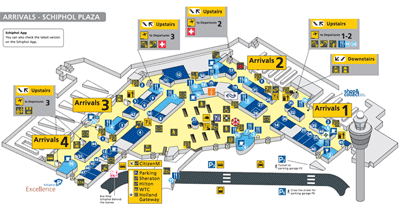
Schiphol Airport Guide Arrivals

ov
  different types of seasons in india  1.6 MB

Schiphol Airport Guide Departures

ov
  different types of seasons in india  1.7 MB

Tourist Information

Be well prepared and know what is on in and around Amsterdam. Call, email or visit the official Amsterdam Tourist Office at Centraal Station.

Map of Vondelpark

ov

A map outlining all venues, art and special trees in the park

  different types of seasons in india  1,262 kB

No feature on Indian seasons is complete without the —the country’s real financial year. After the scorch of Grishma, the first rain on parched earth creates a distinct smell: petrichor . In Sanskrit, this is ghrane-ambhasya , literally "the scent of the rains."

As the monsoon retreats, Sharad arrives like a sigh of relief. The sky becomes a clear, impossibly blue canvas. The humidity drops, and the air feels crisp. This is the season of harvest festivals, the most famous being and Durga Puja , culminating in Dussehra .

Often overlooked, Hemant is the "cool down" season. It is not yet winter, but summer is a forgotten memory. In North India, mornings are wrapped in a soft, milky fog. The sun feels warm on the skin, not hot. Farmers sow wheat, mustard, and peas.

Varsha is dramatic and unpredictable. Mumbai floods in hours, Kerala’s backwaters swell, and Meghalaya (the wettest place on Earth) receives over 450 inches of rain. Yet, it is also deeply romantic. Teej and Raksha Bandhan fall during this time. Children fly paper boats in puddles, and chai stalls serve pakoras (fritters) with ginger tea. The lush greenery that follows is India’s true emerald season. Mid-August to Mid-October

It is the season of bonfires ( alavni ), warm makki ki roti (cornflatbread) and sarson ka saag (mustard greens). The and Lohri festivals fall in Shishir, where people dance around fires to ward off the cold. In the south, it is milder, but the Nilgiris record frost. Shishir teaches resilience—a quiet season where the land rests before the cycle begins again with Vasant. Why Six Seasons? For the modern Indian living in an air-conditioned apartment or a global traveler, the six-season system might seem archaic. But it is an intricate ecological knowledge system. It tells a farmer when to sow, a doctor when diseases peak (e.g., monsoon brings malaria), and a poet what metaphor to use.

Shishir is the coldest of the six seasons. In the northern plains, fog delays trains and flights. In the Himalayas, snow seals off villages. The sun is a pale disc, and the air bites. Yet, winter has its own stark beauty.