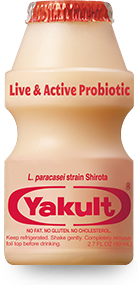
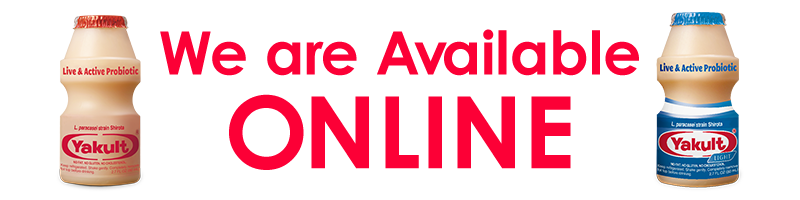
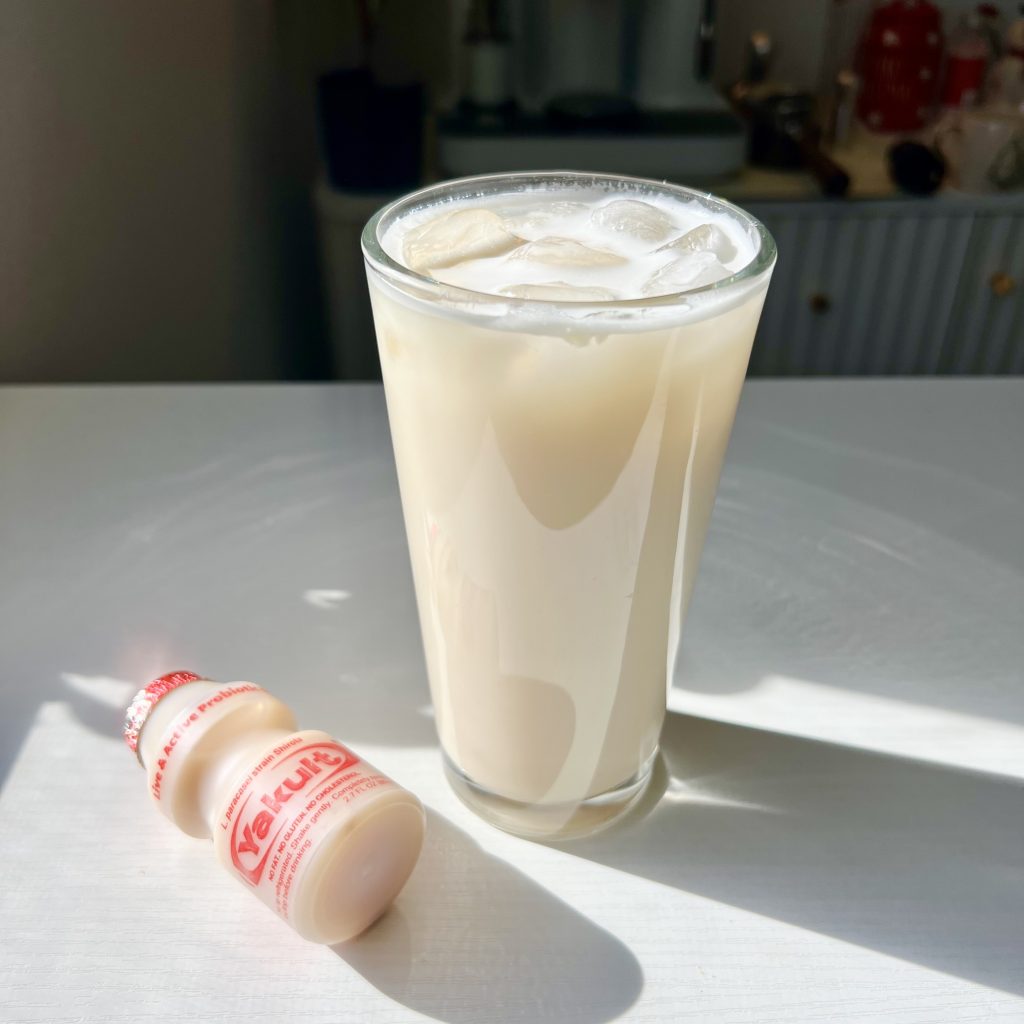
Yakult is a delicious probiotic drink containing L. paracasei strain Shirota, with a refreshing citrus taste that can be enjoyed by the whole family.
Millions of people around the world drinks Yakult every day.


Yakult is a delicious probiotic drink containing L. paracasei strain Shirota, with a refreshing citrus taste that can be enjoyed by the whole family.
Millions of people around the world drinks Yakult every day.


According to The Joint FAO/World Health Organization, probiotics are defined as "live microorganisms which, when administered in adequate amounts, confer a health benefit on the host." They are the "friendly" bacteria that can help correct imbalances in our digestive system. In fact, our digestive system is home to TRILLIONS of bacteria, including probiotics
You may not think about your digestive system when you think about your overall well-being, but that's where good health and proper nutrition begins. For over 85 years, people around the world have been making Yakult a part of their daily diet. Each bottle contains billions of the live and active probiotic L. paracasei strain Shirota.Now you can, too!On top of all the benefits it provides Yakult tastes great! 40 million bottles of Yakult are enjoyed everyday in 40 countries and regions around the world
Breakfast
Lunch
Lunch Box
On the go Snacks
Before Bed
Get-ADComputer -Filter * -SearchBase "OU=Workstations,DC=contoso,DC=com" -Properties msFVE-RecoveryPassword | Select Name, msFVE-RecoveryPassword When BitLocker asks for a key on boot, the screen shows a 48-digit key request. Ask the user for the first 8 digits of the Recovery Key ID (not the password itself). Example: Recovery Key ID: 2A1B3C4D → Search AD using that ID. Troubleshooting: “No BitLocker Keys Found in AD” If you don’t see any keys:
BitLocker drive encryption is a lifesaver for data protection — until a user gets locked out. Whether it’s a forgotten PIN, a TPM failure, or a motherboard swap, the is the only way back in. find bitlocker recovery password active directory
To export all BitLocker keys for a department: Troubleshooting: “No BitLocker Keys Found in AD” If
# Import the AD module Import-Module ActiveDirectory $ComputerName = "PC-USER01" $Computer = Get-ADComputer -Identity $ComputerName -Properties msFVE-RecoveryPassword View all recovery passwords $Computer.msFVE-RecoveryPassword Get a specific password by Recovery Password ID Get-ADObject -Filter "objectClass -eq 'msFVE-RecoveryInformation'" -SearchBase $Computer.DistinguishedName -Properties msFVE-RecoveryPassword It’s suitable for sysadmins and IT support teams
Here’s a structured, SEO-friendly blog post draft covering how to find a BitLocker recovery password in Active Directory. It’s suitable for sysadmins and IT support teams. Tagline: Lost your BitLocker key? Don’t panic. If your organization uses AD backup, here’s exactly how to retrieve it.