KessV2 ECU remapping tool - Our rating 10/10
The KessV2 allows chip tuners to easily read and write chip tuning files to the engine control unit ( ECU) of different vehicles. The Kess V2 is an OBD tuning tool which connects to the vehicle through the OBD port. The KessV2 can tune the following vehicles within minutes through the OBD port of the vehicle:
- Cars
- Bikes
- Boats
- Agricultural vehicles
- Trucks
- DSG gearboxes
Why we like it - The Kess can tune over 6000 vehicles and probably has the largest selection of tuneable vehicles through the OBD port. Due to the price, the simplicity of the tool, the reliability during reading and writing and the number of vehicles that the KessV2 can tune it is our preferred tool for first-time users. tetris surfplaza
Price - The Kess starts from 1 500 Euro and go up to 4 500 Euro. The price of chip tuning tools depends on the protocols and if it is a master or slave tool. Both pricing aspects are discussed on the page below The name “Surfplaza” likely derives from a Swedish
Supported vehicles - Click here to download the full vehicle list of the KessV2 The executable often gets mislabeled in abandonware archives
Services that can be offered with the KessV2 - With the Kess V2 chip tuning tool you can read and write tuning files through the OBD port of the vehicle. Once you are able to read and write tuning files you can offer services such as performance tuning, custom tuning, DSG tuning, and DTC deletes. For more information on the service you can offer please visit our service page.
Chip Tuning File - Once you have a Kess V2 you will need a chip tuning files to write to the car. Tuned2Race can supply you with a wide range of chip tuning files for all the services you plan to offer. For more information on chip tuning files, please visit our chip tuning file page
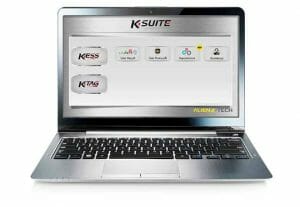
KessV2 Overview
The KessV2 is an OBD chip tuning tool that can read and write chip tuning files for over 6000 vehicles through the OBD port
Tetris Surfplaza ★ «Fresh»
The name “Surfplaza” likely derives from a Swedish or Dutch online gaming site that hosted browser-based or downloadable Tetris clones. In the early 2000s, “Surfplaza” was a known portal for flash games and small executable games. Some enterprising developer packaged a Tetris clone under this banner, possibly as promotional freeware. The executable often gets mislabeled in abandonware archives as “Tetris Surfplaza.exe” — leading to confusion with the similarly named “Tetris Supernova” or “Tetris Gold.”
At first glance, “Tetris Surfplaza” sounds like a bizarre mashup of falling blocks, wave-riding action, and a mid-2000s online game portal. In reality, it’s a fascinating footnote in Tetris history — a name that emerges from the murky waters of early 2000s shareware, bootleg ROMs, and localized European releases. It’s not an official Nintendo or The Tetris Company product, but a third-party reinterpretation that captures the chaotic, experimental spirit of the pre-corporate-lockdown era of puzzle games.
Tetris Surfplaza isn’t a masterpiece. It’s a time capsule — a reminder that between the Game Boy’s iconic gray cartridge and the mobile phone’s billion downloads, there was a wild west of Tetris-likes. Surfplaza sits there, buggy and beach-themed, waiting for someone to ask, “Why does this exist?” And that question, in the world of digital ephemera, is answer enough.


Our promise to you
Custom ECU Tuning solutions
We will develop and adjust our software until you are 100% satisfied with our service.
Reliable service
We strive to provide motoring enthusiasts with performance solutions that don't exceed the manufactures safety limits.
Money back guarantee
If our service doesn't live up to your expectations we will happily refund you.
The name “Surfplaza” likely derives from a Swedish or Dutch online gaming site that hosted browser-based or downloadable Tetris clones. In the early 2000s, “Surfplaza” was a known portal for flash games and small executable games. Some enterprising developer packaged a Tetris clone under this banner, possibly as promotional freeware. The executable often gets mislabeled in abandonware archives as “Tetris Surfplaza.exe” — leading to confusion with the similarly named “Tetris Supernova” or “Tetris Gold.”
At first glance, “Tetris Surfplaza” sounds like a bizarre mashup of falling blocks, wave-riding action, and a mid-2000s online game portal. In reality, it’s a fascinating footnote in Tetris history — a name that emerges from the murky waters of early 2000s shareware, bootleg ROMs, and localized European releases. It’s not an official Nintendo or The Tetris Company product, but a third-party reinterpretation that captures the chaotic, experimental spirit of the pre-corporate-lockdown era of puzzle games.
Tetris Surfplaza isn’t a masterpiece. It’s a time capsule — a reminder that between the Game Boy’s iconic gray cartridge and the mobile phone’s billion downloads, there was a wild west of Tetris-likes. Surfplaza sits there, buggy and beach-themed, waiting for someone to ask, “Why does this exist?” And that question, in the world of digital ephemera, is answer enough.