Overall, this app is pretty cool. Mostly because it’s actually useful...Ray Maker
DC Rainmaker.com
If you intended a different specific collection (e.g., a named bequest in a university, a digital archive, or a fashion collection), please clarify. For now, this paper treats The Kelly Payne Collection as an exemplary private collection transitioning toward public access. Author: [Your Name/Institution] Date: April 14, 2026 Abstract This paper provides a comprehensive analysis of the Kelly Payne Collection, a private assemblage of 20th- and 21st-century photographic works, Southern folk art, and Indigenous textile art. The collection, amassed by curator and philanthropist Kelly Payne between 1995 and 2025, represents a distinct curatorial strategy prioritizing underrecognized female artists and diasporic craft traditions. This study examines the collection’s formation, its physical and digital infrastructure, key acquisition methodologies, preservation challenges, and the ethical framework governing its potential transition from private ownership to public trust. The paper argues that the Kelly Payne Collection exemplifies a new paradigm of “responsible private collecting,” where personal aesthetic vision operates in deliberate alignment with restitution ethics and long-term institutional partnership. 1. Introduction Private art collections have historically shaped public museum holdings, from the Medici to the Barnes Foundation. In the contemporary era, collections like that of Kelly Payne offer a critical lens through which to examine shifting power dynamics between individual taste, market forces, and cultural stewardship. Unlike the archetypal “cabinet of curiosities,” Payne’s collection is defined not by encyclopedic breadth but by thematic depth, geographic focus (primarily the American South and West Africa), and a methodological commitment to provenance transparency.
Future research should examine the long-term outcomes of the Stewardship Initiative, particularly the feasibility of distributed collection management across multiple HBCU partners. Additionally, comparative studies with other ethically oriented private collections (e.g., the Beth Rudin DeWoody collection, the Eileen Harris Norton collection) would situate Payne’s work within a broader movement toward responsible collecting. Chen, L., & Okonkwo, C. (2023). Private collectors and repatriation: A new ethical landscape. Journal of Cultural Heritage Ethics , 18(2), 105–129.
Payne, K. (2024). The collection as bloodstream: Interview with S. Jacobs . Atlanta Art Papers, 12(3), 18–22.
Martinez, R. (2025). The tax advantages of private art collections: A critical review. Art & Law Review , 41(1), 33–58.
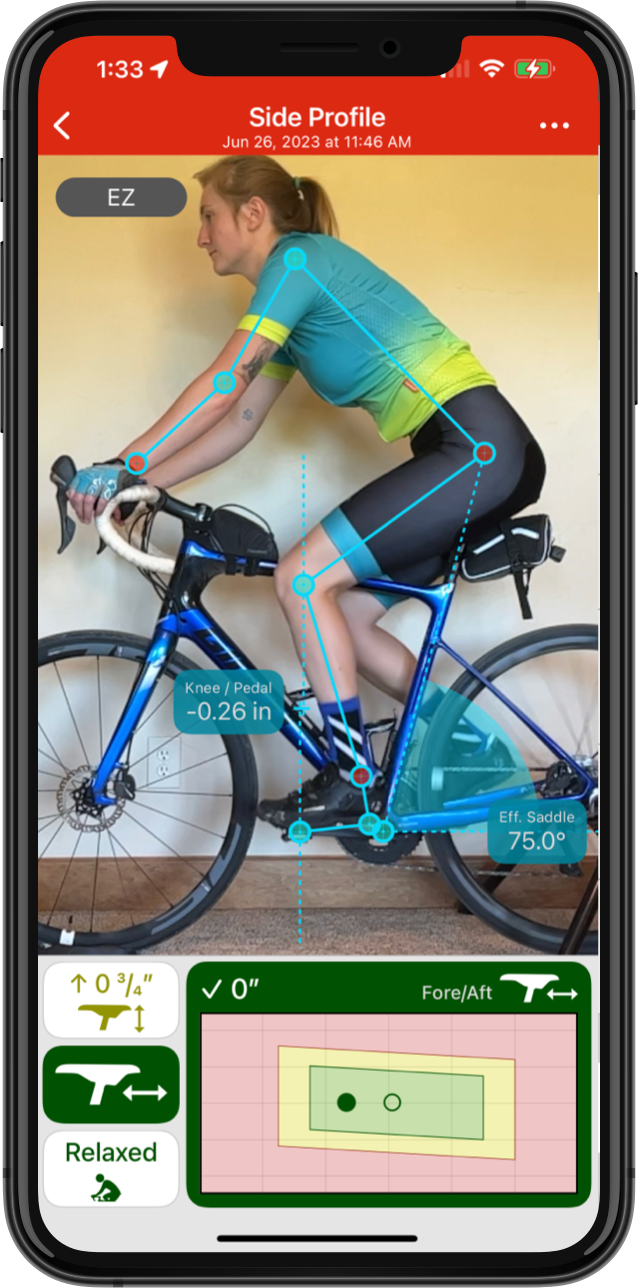
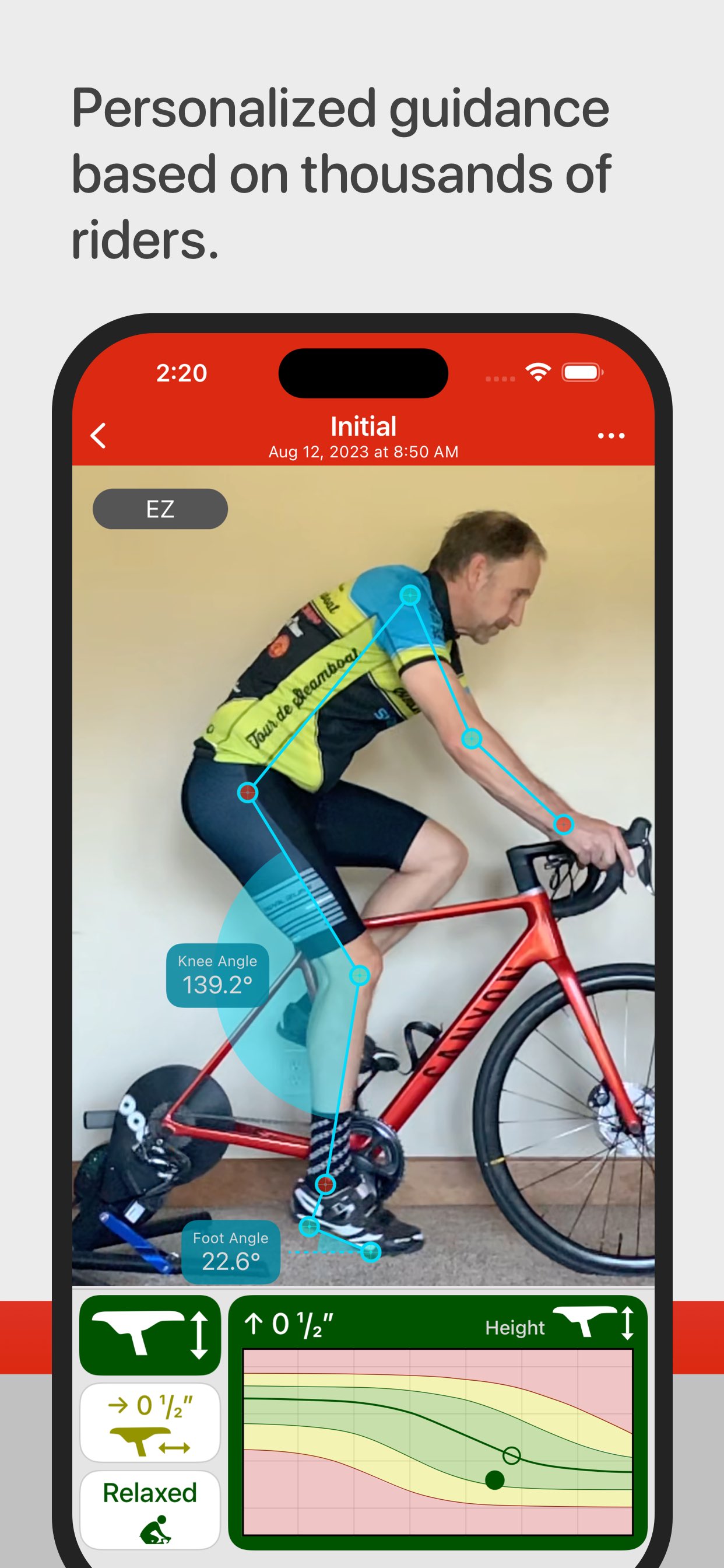
Extensive use of AI allows Bike Fast Fit EZ to automate the recording and analysis of your bike fit. Using the latest research and hundreds of professional bike fittings, Bike Fast Fit EZ makes specific recommendations about your saddle height and fore/aft as well as your overall riding position.

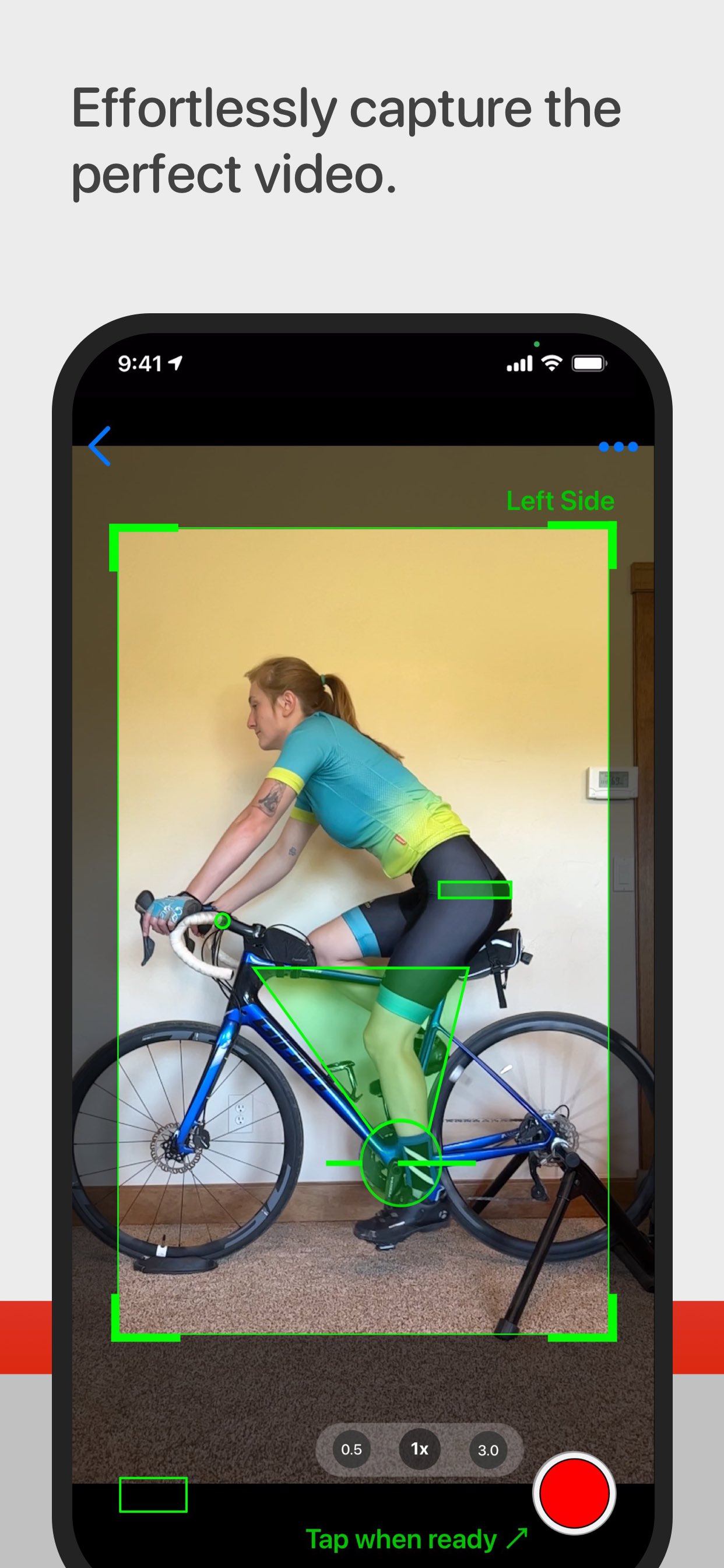
Just position the bike in the green area, tap record and pedal until app beeps.

Automatically synchronizes across all of your devices through iCloud.

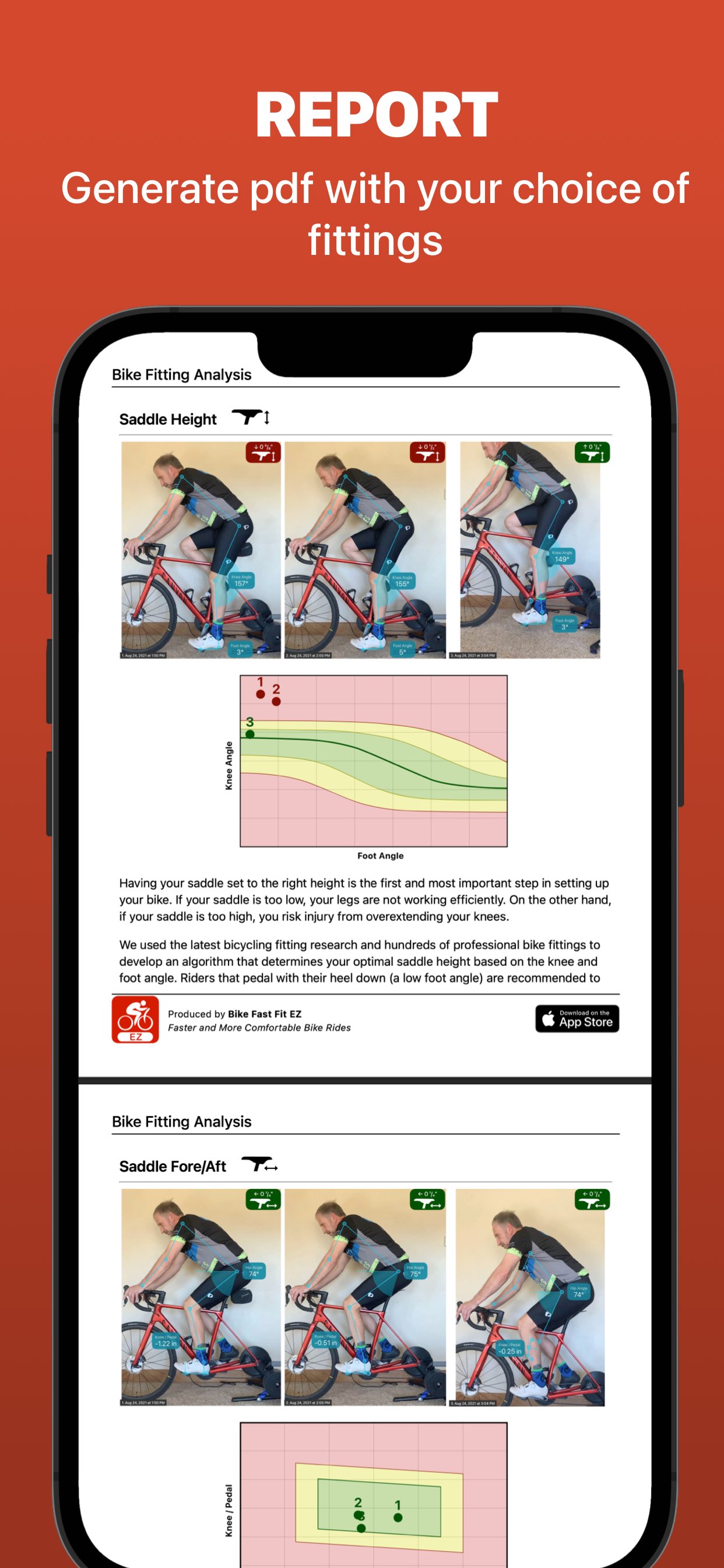
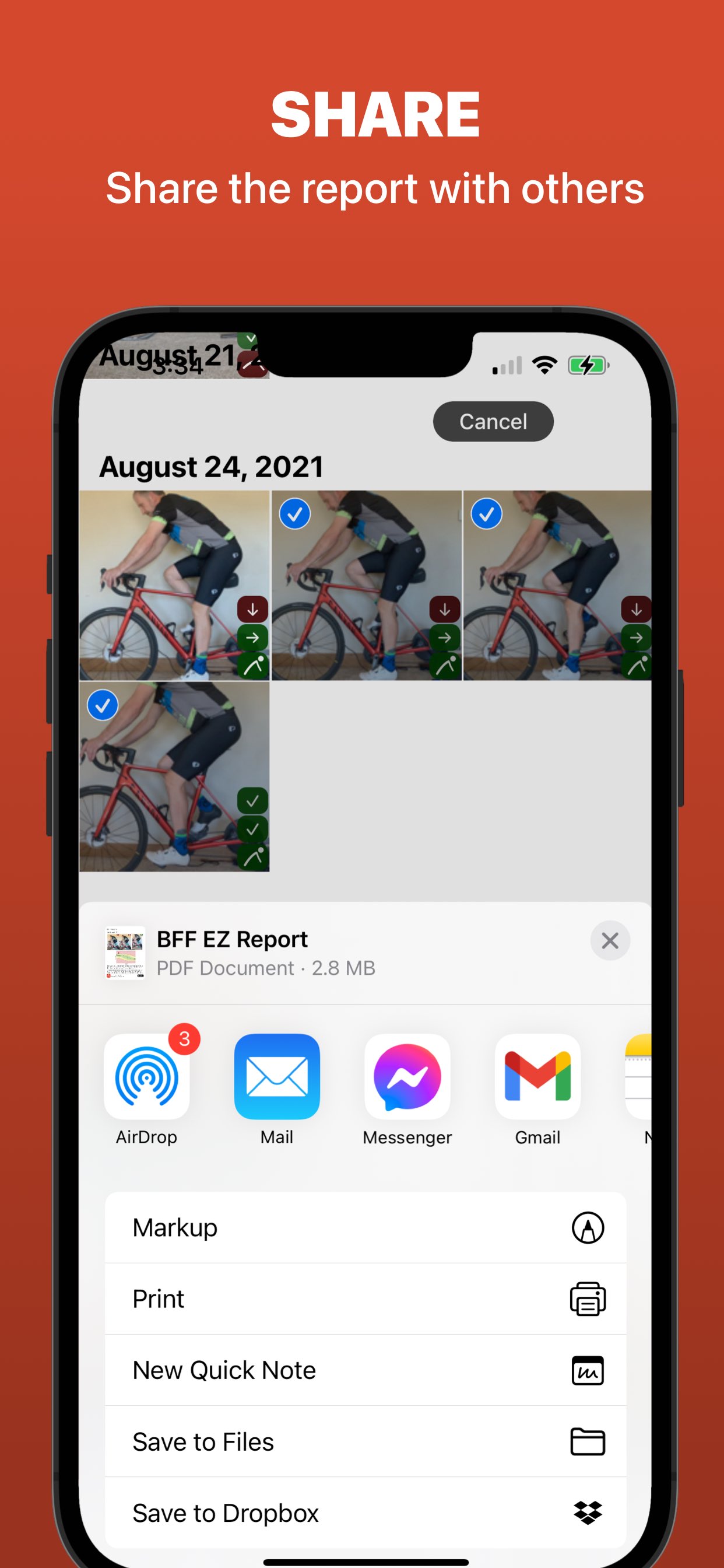
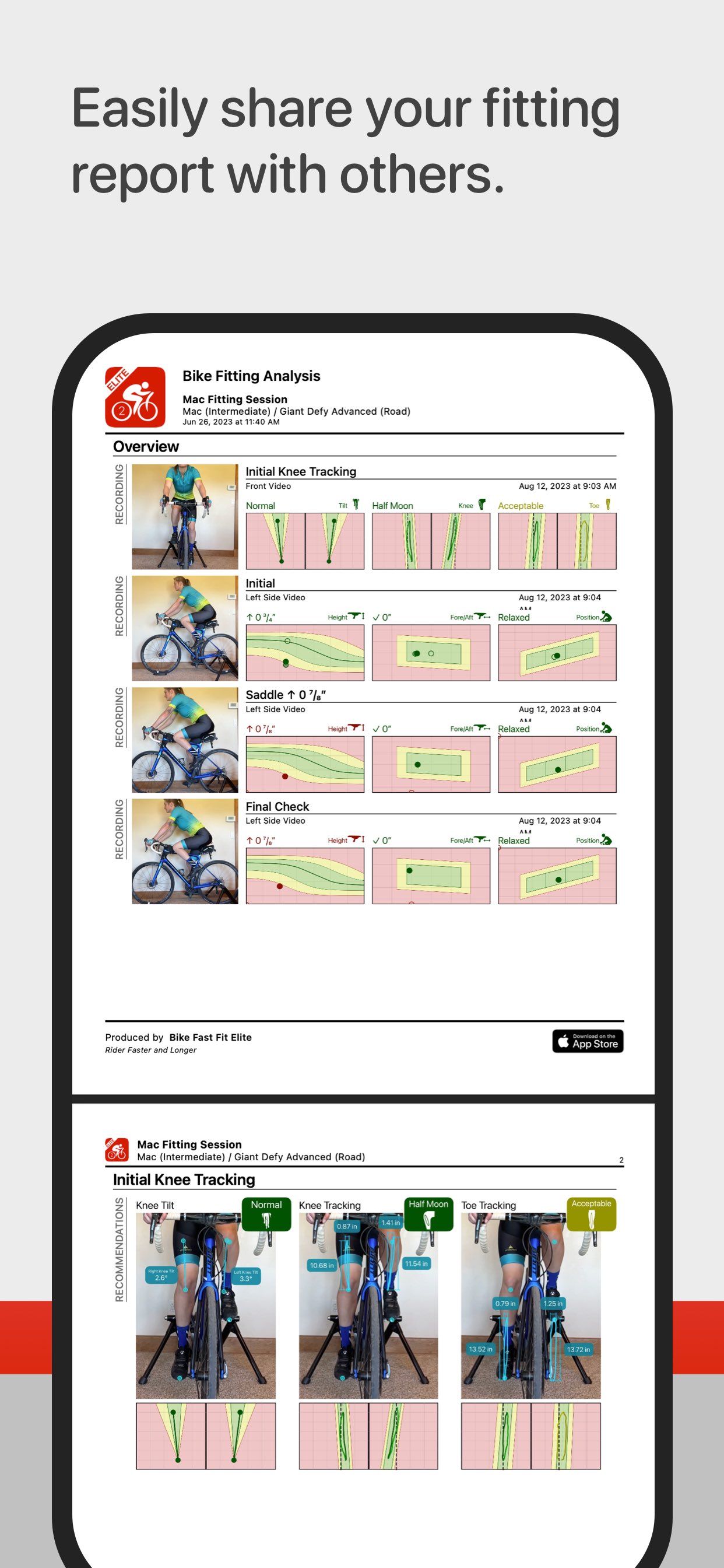
Generate a report with your measurements and recommendations to share or print.

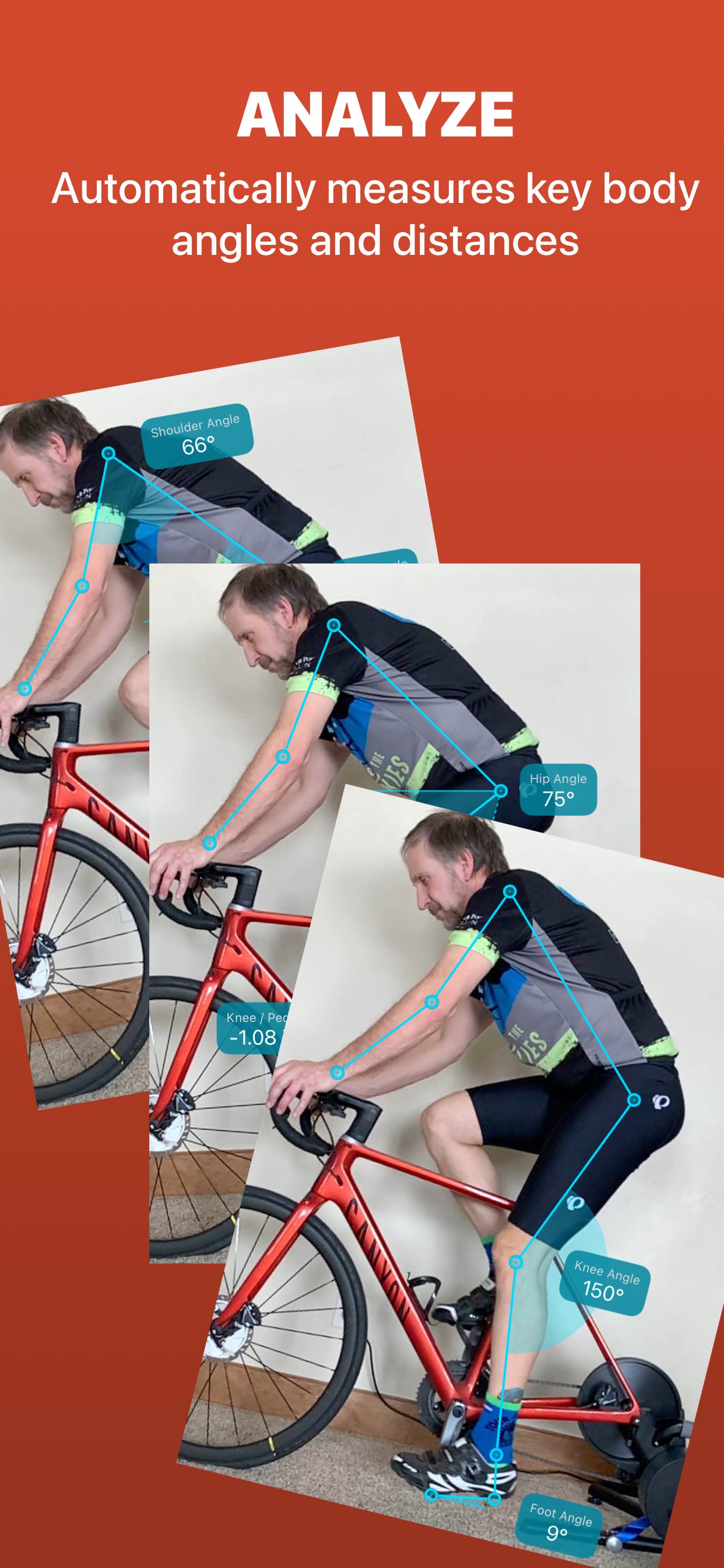
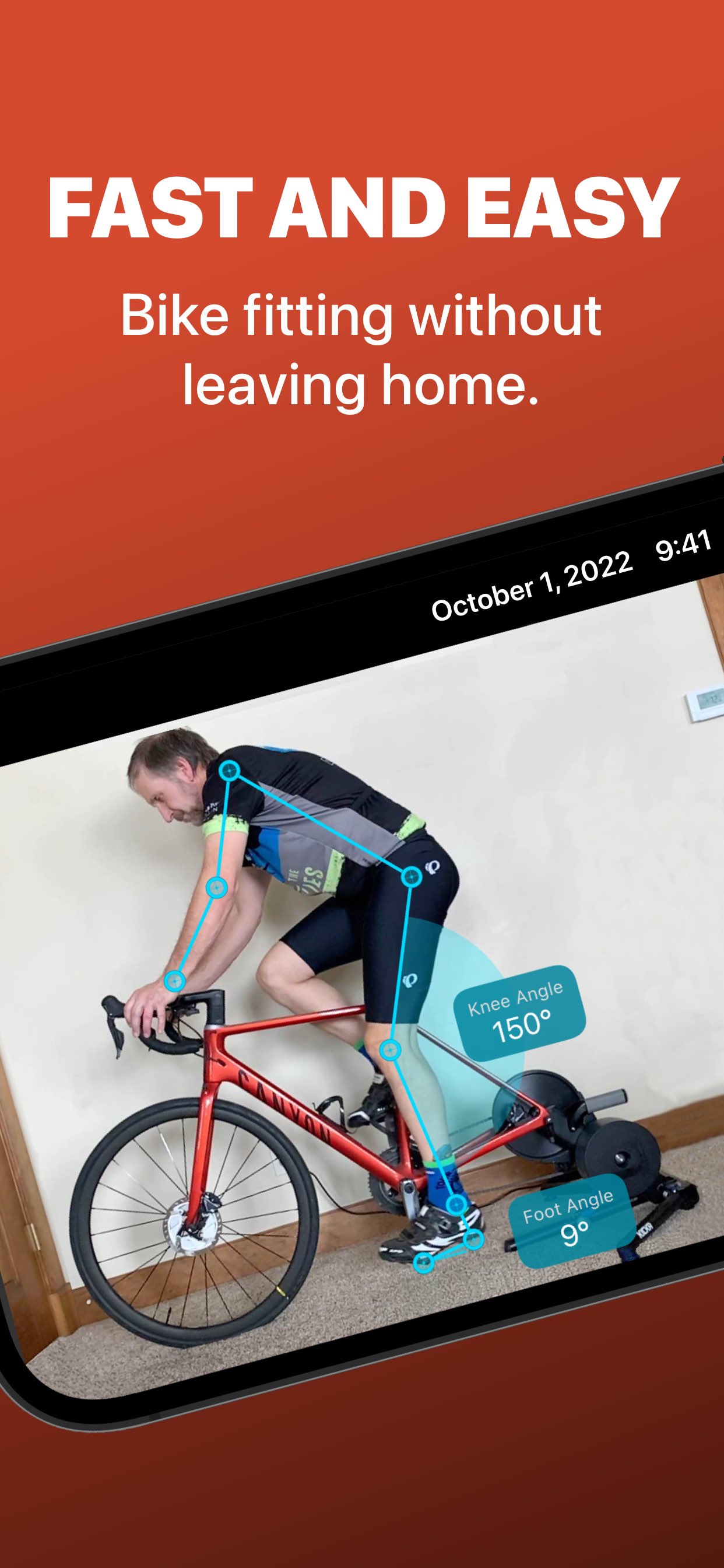
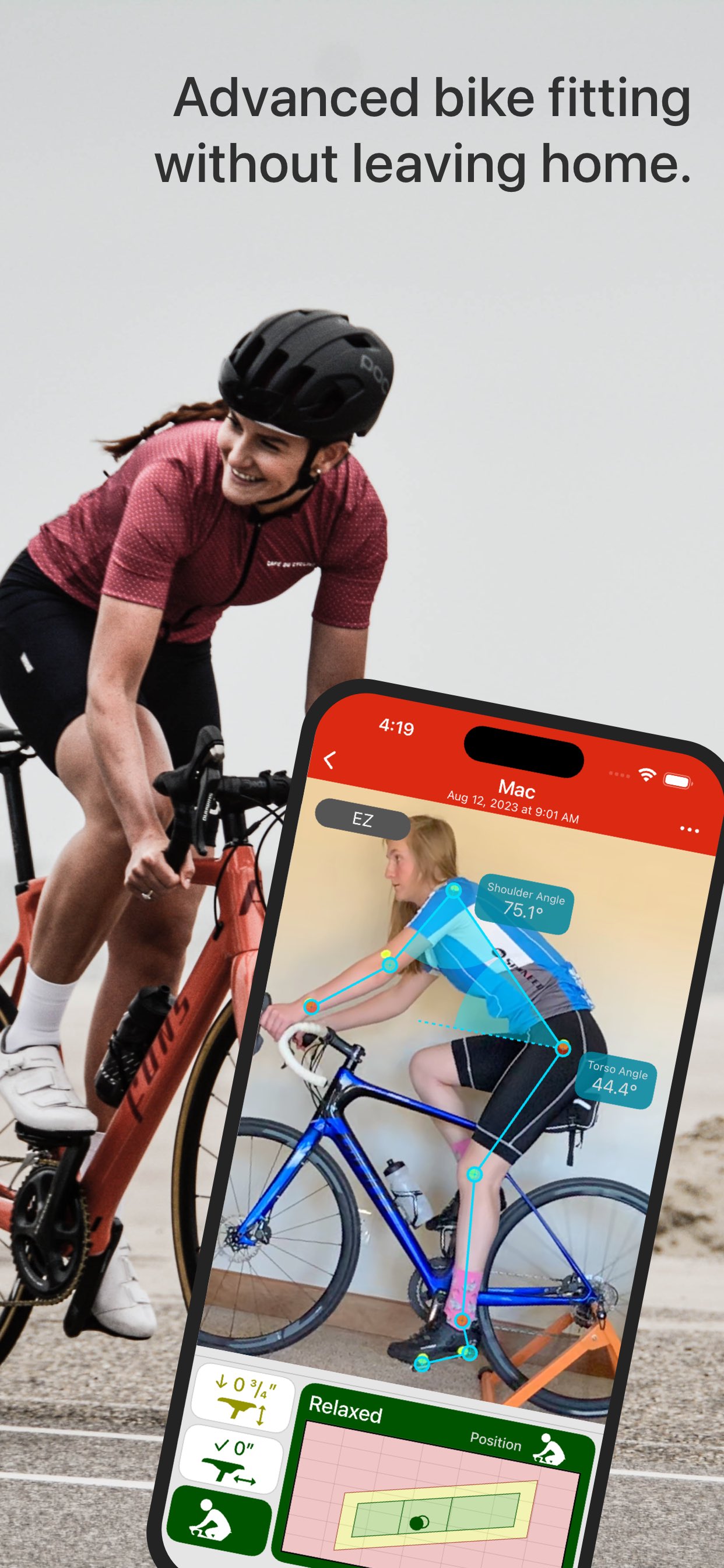
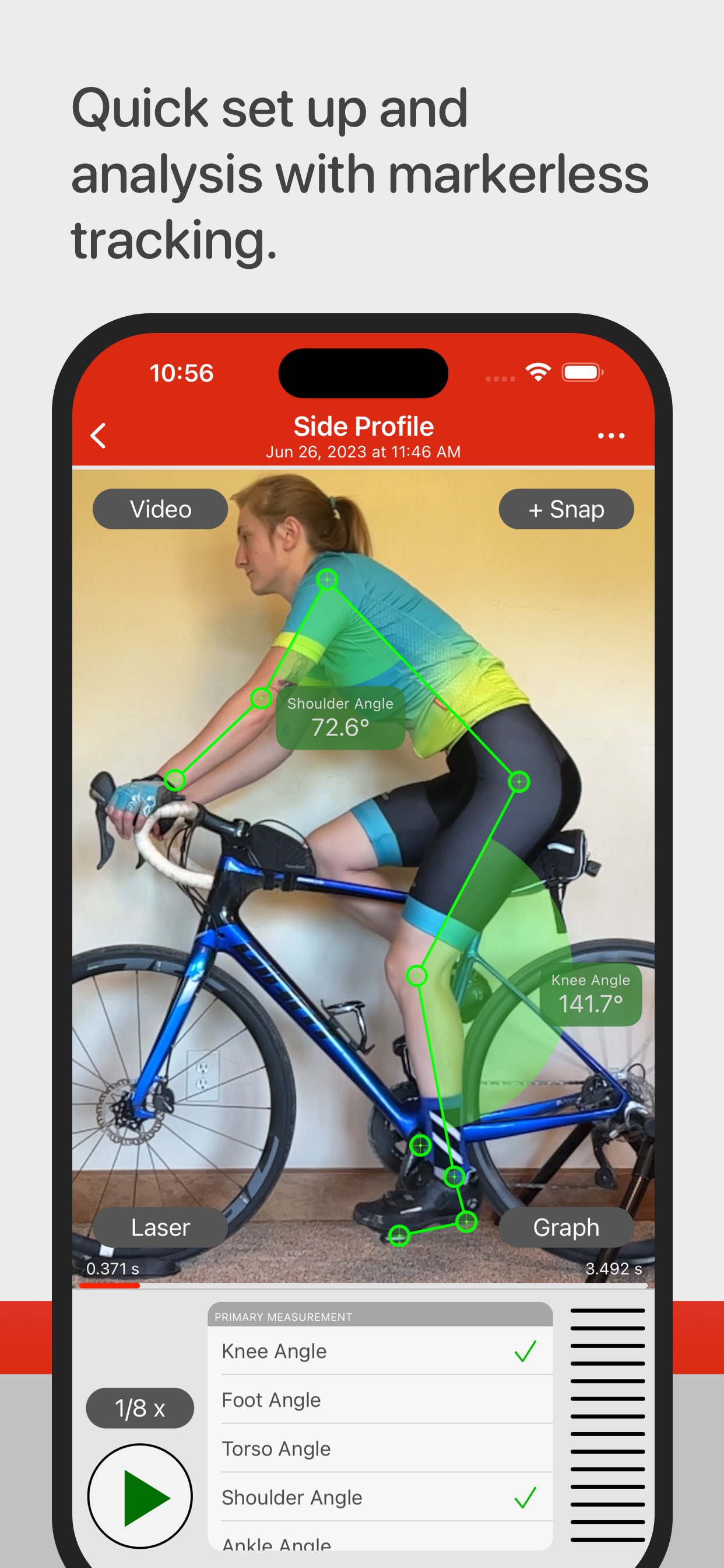
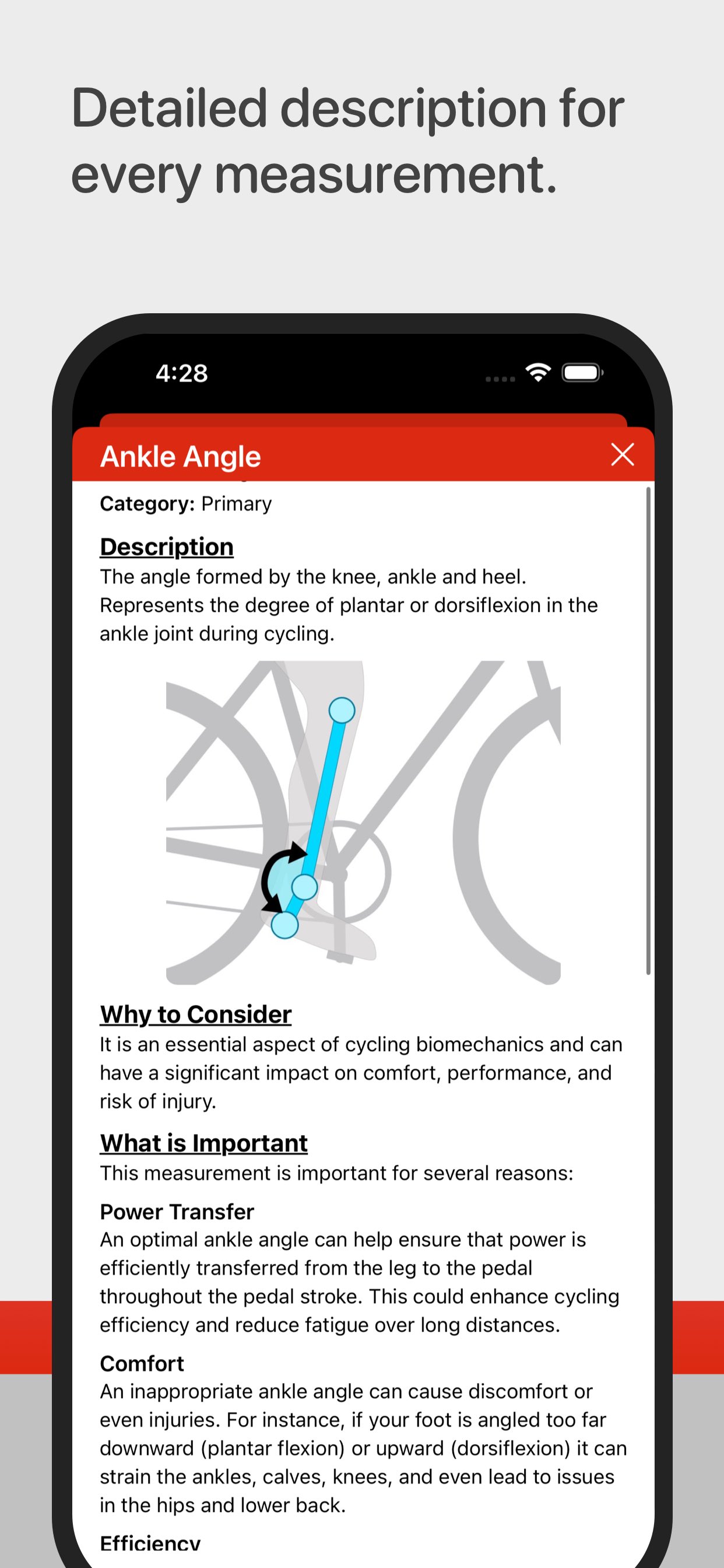
The app automatically analyzes the video, locates relevant body positions and measures important angles and distances.

Our latest AI can track your key body points without markers or sensors.

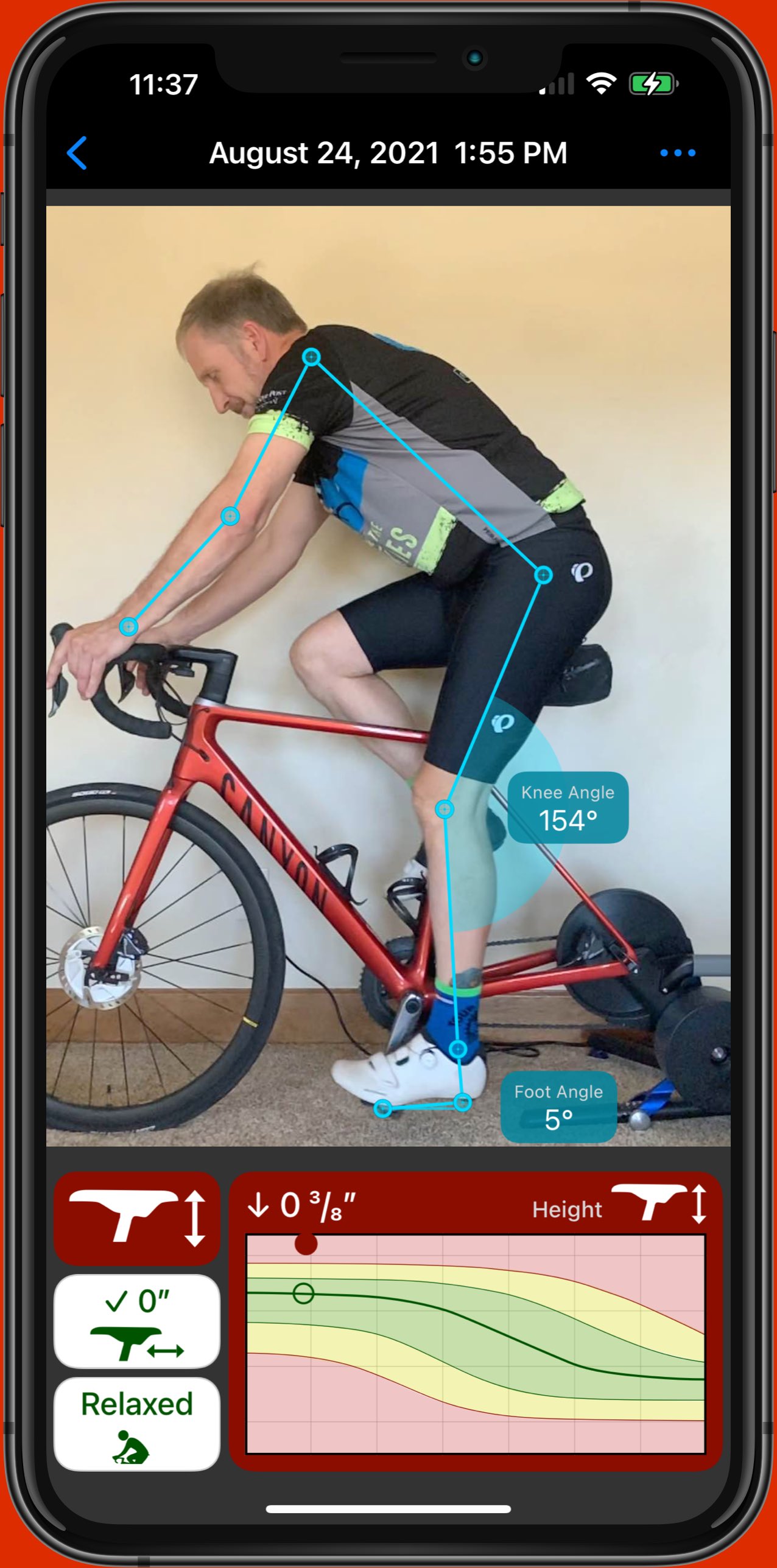
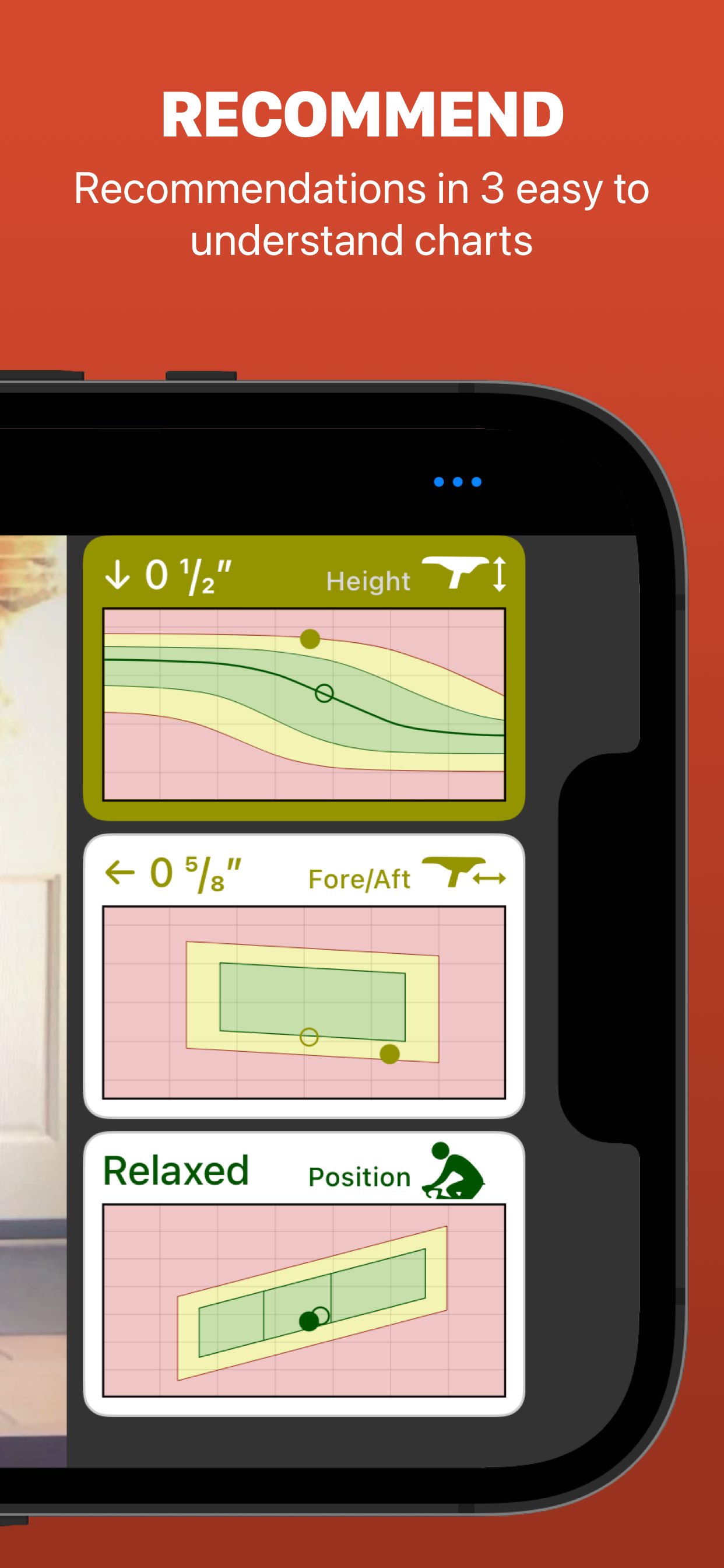
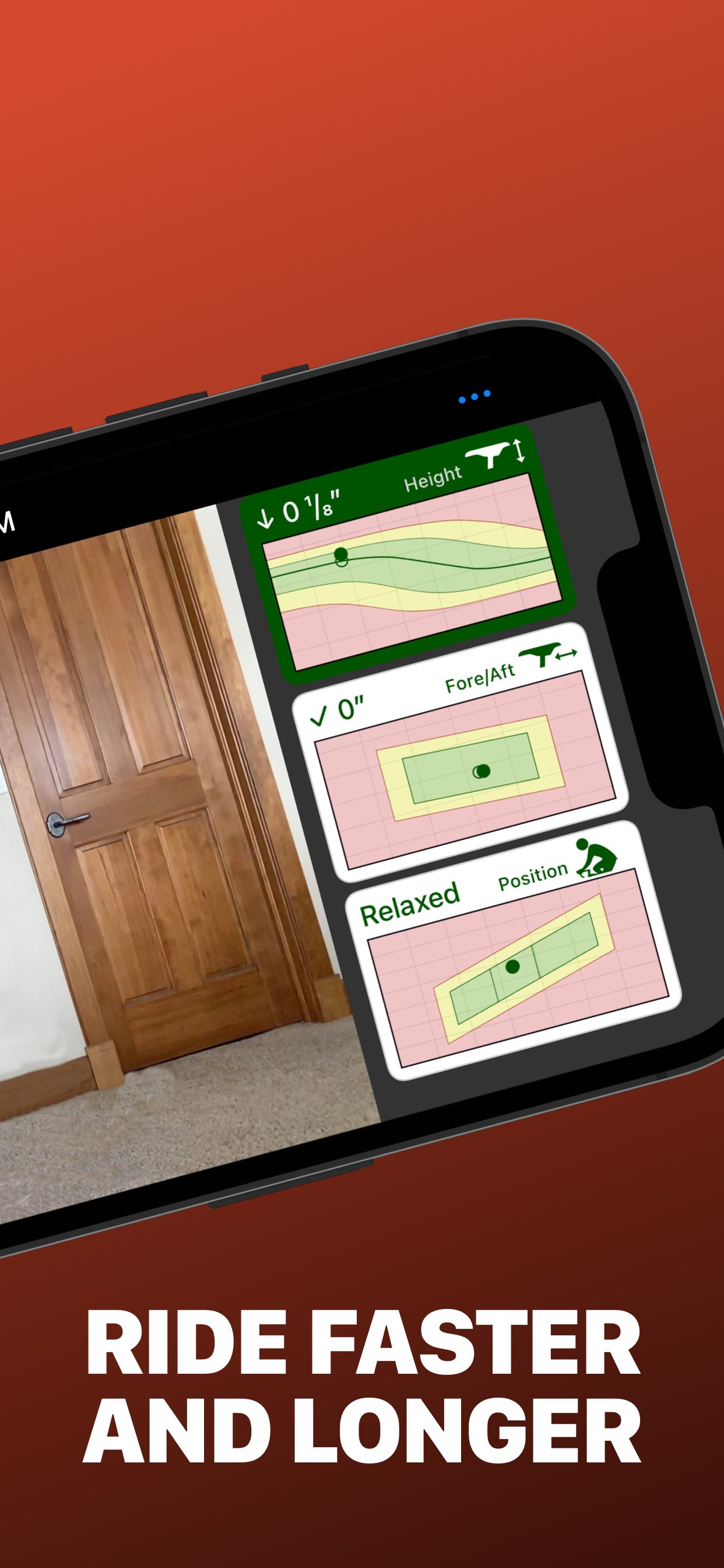
Based on your measurements, our proprietary algorithm makes specific recommendations.
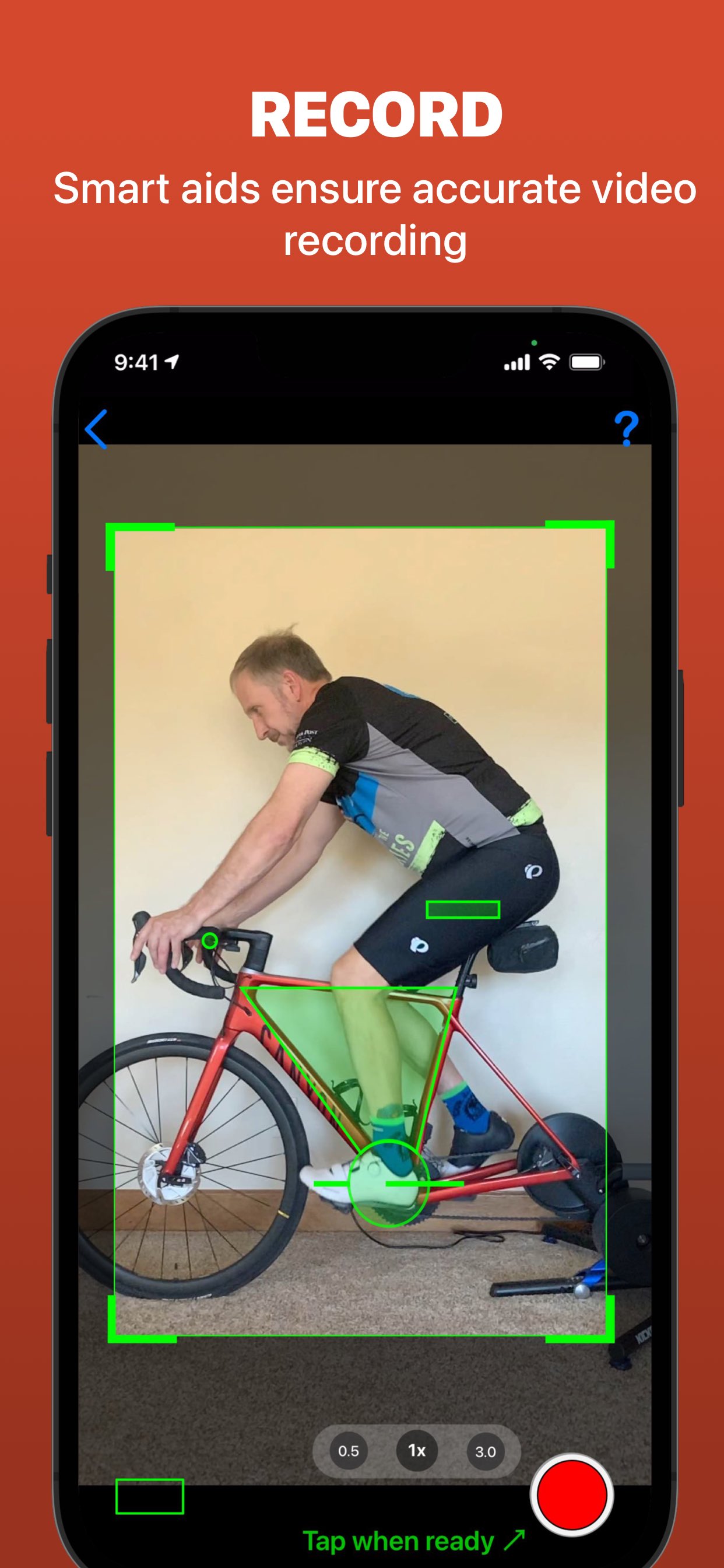
Unlock peak performance and comfort on your bike with Bike Fast Fit Elite. Whether you're a cycling enthusiast or a seasoned professional, this app is engineered to enhance your riding experience.

Forget timers and guesswork. BFF Elite automatically detects when you're pedaling and initiates a 3.5-second video capture.

AI-powered markerless tracking eliminates the need for physical markers for quick set up and fast analysis.
Generate a comprehensive PDF report of your bike fitting session to easily share with others.

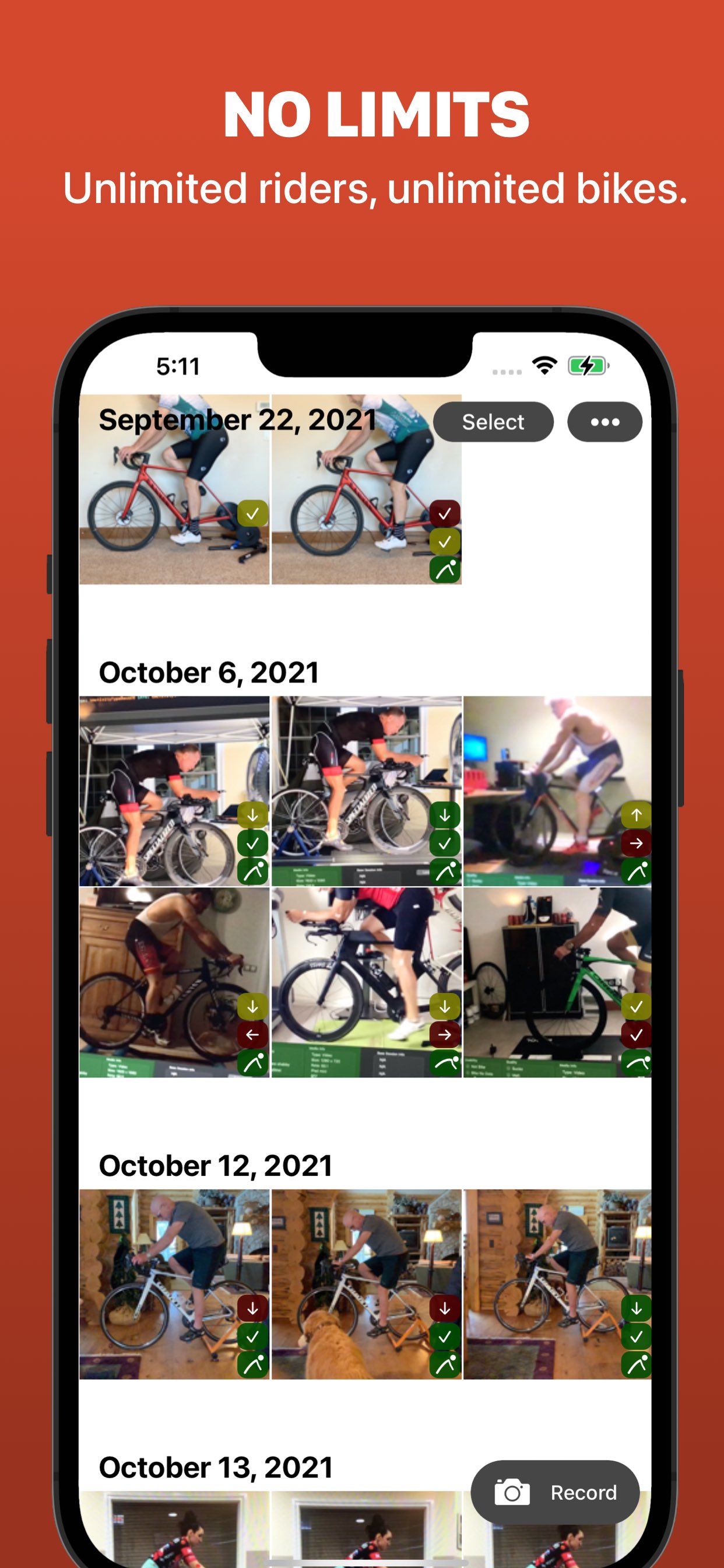
Go ahead, experiment! We handle unlimited riders and bikes.

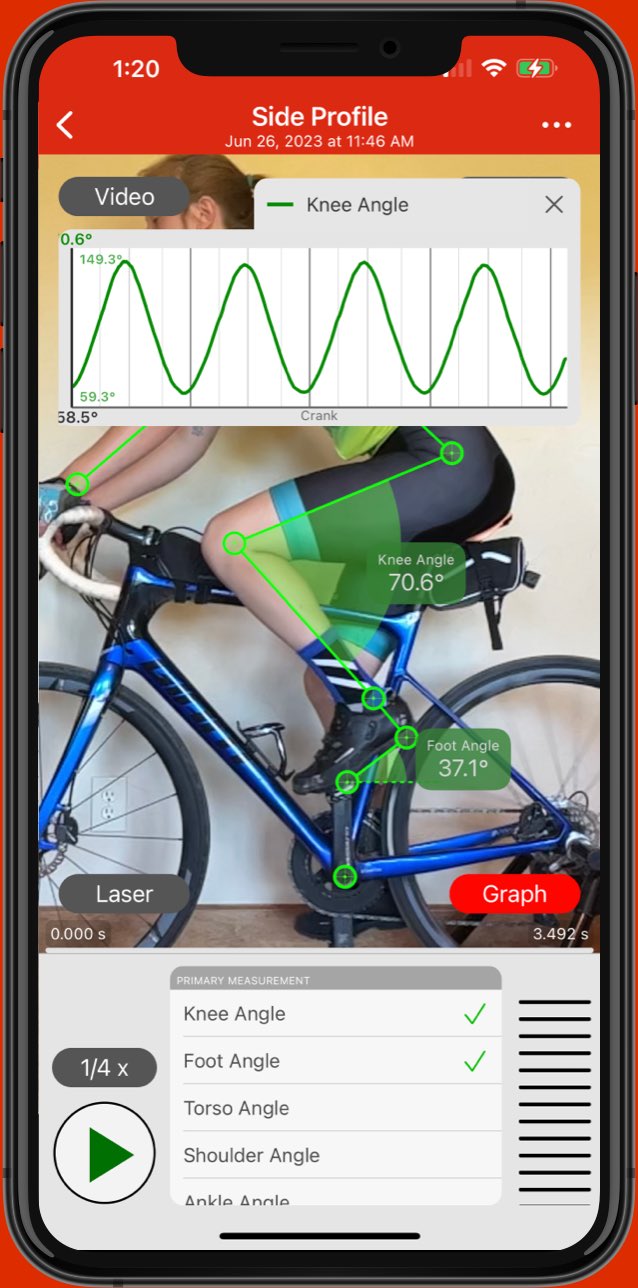
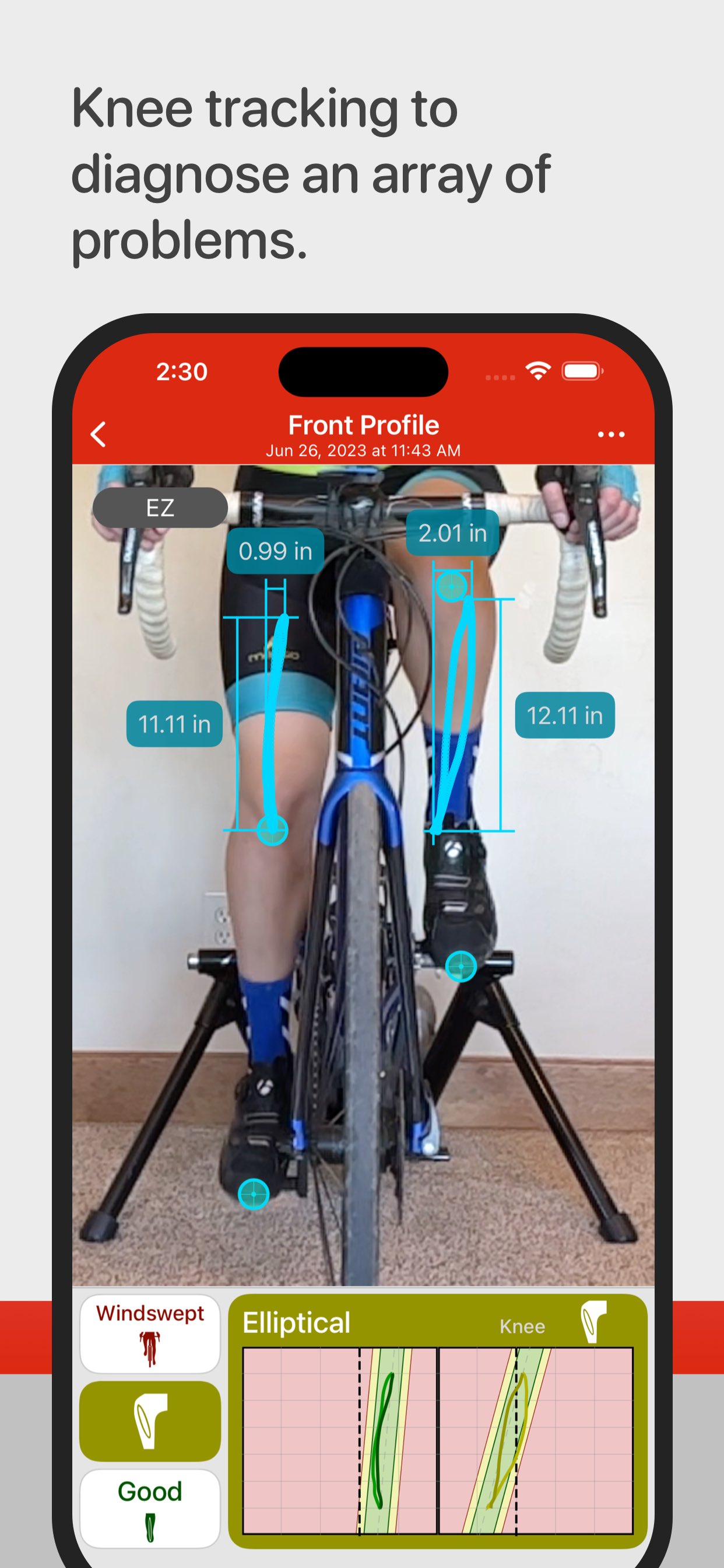
Our cutting edge knee tracking analysis can diagnose an array of bike fit and pedaling issues, helping you optimize your ride for speed, comfort and efficiency.

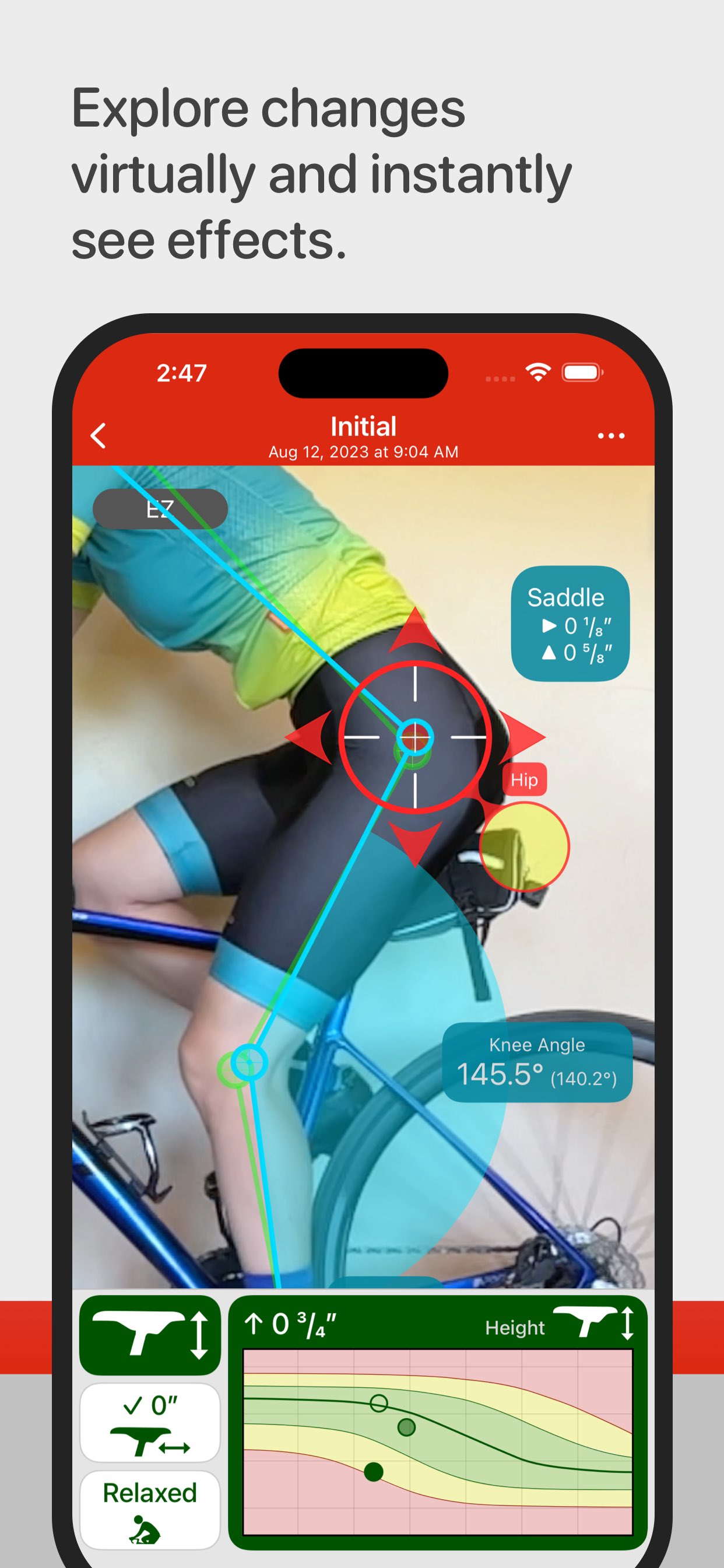
Get solid advice on how to adjust your saddle and find that sweet spot for ultimate riding comfort.
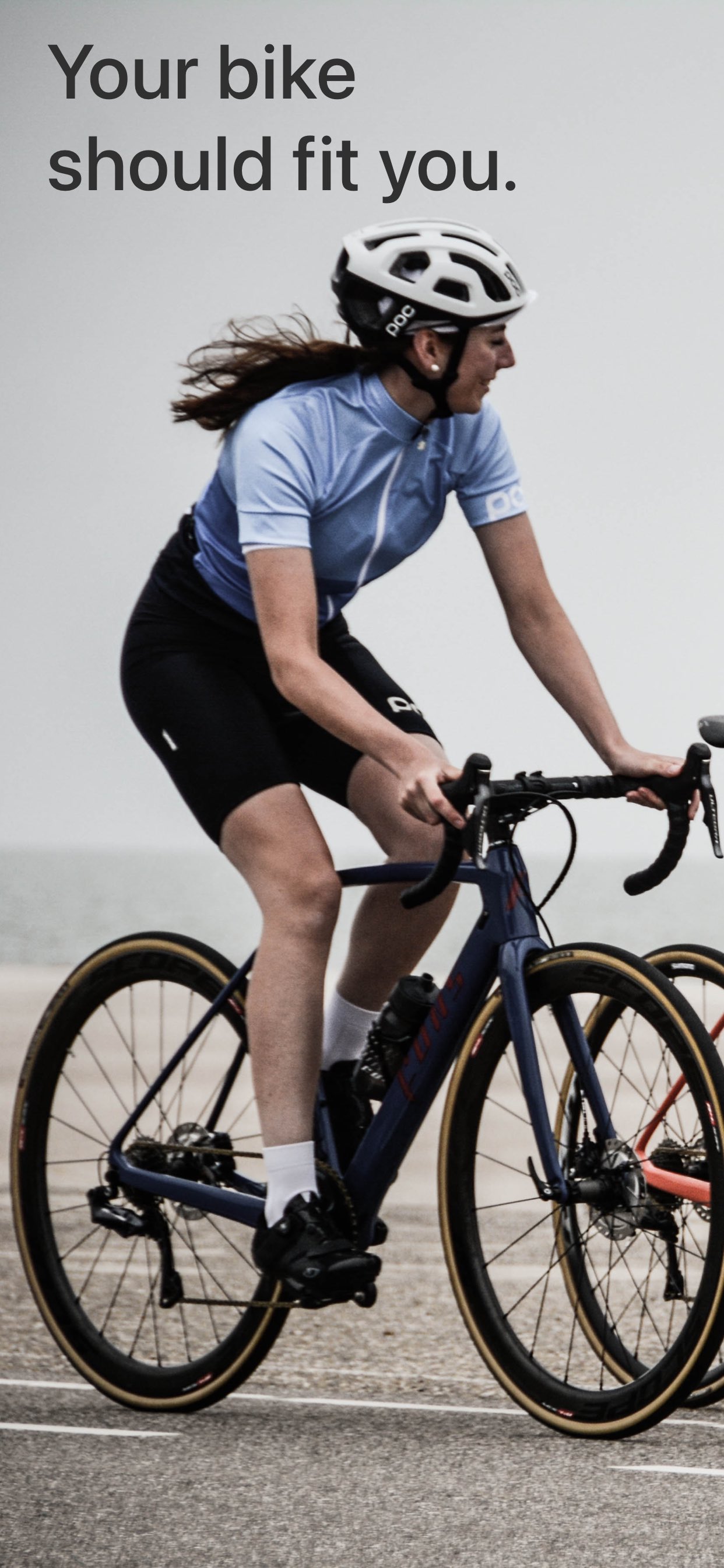

Offering powerful features, Bike Fast Fit Pro (BFF Pro) is the ultimate bike fitting tool for professional bike fitters and bike shops at an affordable price.

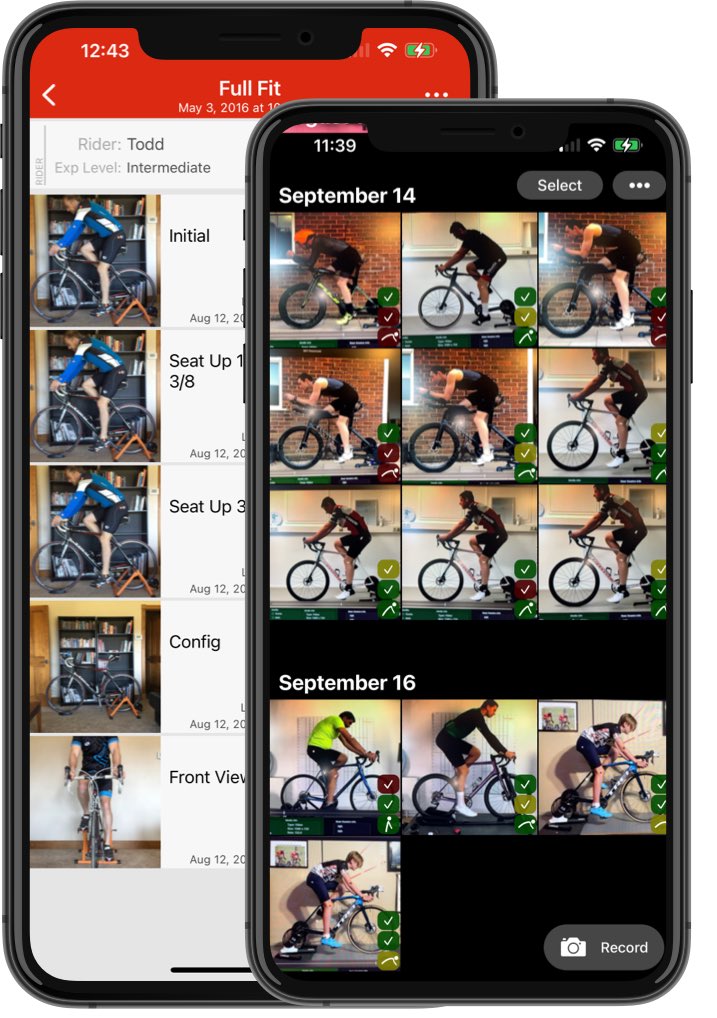
Easily capture and organize client details and sessions. Search, filtering, and sorting tools to handle large volumes of client data.
Seamless integration with iCloud for secure backup and synchronization across devices. Videos stored in iCloud to minimize locak storage needs.
Branded, professional PDF and video reports to share with clients. Easily compare initial and final videos.
Industry leading markerless tracking for fast, reliable and hassle-free analysis, with ability to use markers to tailor point placement.
Easily see the predicted effects of bike adjustments before applying them.

Enjoy unlimited fitting sessions and clients with no hidden costs.


Thanks again for all your hard work, my Retul motion capture system sits in the drawer. Your software is much better and faster!!!Pat Leahy
www.speedlab.uk
If you intended a different specific collection (e.g., a named bequest in a university, a digital archive, or a fashion collection), please clarify. For now, this paper treats The Kelly Payne Collection as an exemplary private collection transitioning toward public access. Author: [Your Name/Institution] Date: April 14, 2026 Abstract This paper provides a comprehensive analysis of the Kelly Payne Collection, a private assemblage of 20th- and 21st-century photographic works, Southern folk art, and Indigenous textile art. The collection, amassed by curator and philanthropist Kelly Payne between 1995 and 2025, represents a distinct curatorial strategy prioritizing underrecognized female artists and diasporic craft traditions. This study examines the collection’s formation, its physical and digital infrastructure, key acquisition methodologies, preservation challenges, and the ethical framework governing its potential transition from private ownership to public trust. The paper argues that the Kelly Payne Collection exemplifies a new paradigm of “responsible private collecting,” where personal aesthetic vision operates in deliberate alignment with restitution ethics and long-term institutional partnership. 1. Introduction Private art collections have historically shaped public museum holdings, from the Medici to the Barnes Foundation. In the contemporary era, collections like that of Kelly Payne offer a critical lens through which to examine shifting power dynamics between individual taste, market forces, and cultural stewardship. Unlike the archetypal “cabinet of curiosities,” Payne’s collection is defined not by encyclopedic breadth but by thematic depth, geographic focus (primarily the American South and West Africa), and a methodological commitment to provenance transparency.
Future research should examine the long-term outcomes of the Stewardship Initiative, particularly the feasibility of distributed collection management across multiple HBCU partners. Additionally, comparative studies with other ethically oriented private collections (e.g., the Beth Rudin DeWoody collection, the Eileen Harris Norton collection) would situate Payne’s work within a broader movement toward responsible collecting. Chen, L., & Okonkwo, C. (2023). Private collectors and repatriation: A new ethical landscape. Journal of Cultural Heritage Ethics , 18(2), 105–129. the kelly payne collection
Payne, K. (2024). The collection as bloodstream: Interview with S. Jacobs . Atlanta Art Papers, 12(3), 18–22. If you intended a different specific collection (e
Martinez, R. (2025). The tax advantages of private art collections: A critical review. Art & Law Review , 41(1), 33–58. The collection, amassed by curator and philanthropist Kelly